Photography

Creative Photoshoot

Photography Business

About

Macon Photography is an organization related to Business and Photography. By the simple, scientific approach of experimentation and observation, a workable connection with the flow of good orderly direction can easily be established[..]
November 28, 2023

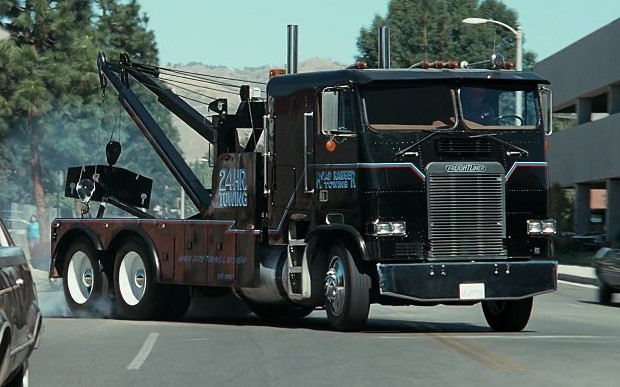
Exploring the Art of Tow Truck Photography

In the world of photography, there exists a multitude of genres and subjects waiting to be captured through the lens of a camera. While some may gravitate towards landscapes, portraits, or wildlife, others find inspiration in the most unexpected places. One such niche that has been gaining attention recently is tow truck photography. The Art […]

July 18, 2023

Bridging Cultures Through the Lens: The Indispensable Role of Translation Services in Your Photography Business

In today’s interconnected world, the art of photography knows no boundaries. As a photographer, your work has the power to transcend language barriers and connect with people from diverse cultural backgrounds. However, to fully unlock the potential of your photography business and reach a global audience, you must consider the indispensable role of translation services. […]

May 7, 2022

Practicing Resourcefulness as a Student

As a student, you might feel under pressure to work as hard as possible and always come up with fresh ideas and new ideas for your assignments. This could be about designing a new anime merch for your assignment or perhaps for the side hustle that you’re doing. The problem is, this can take a […]

January 9, 2021

Spread Awareness About Bats Through Photography

While bats can be spooky, there is a reason why they are around. In a single hour, bats eat around 1,200 insects the size of a mosquito. Some bat species scatter seeds, help in the pollination of plants, as well as feed upon beetles that ruin crops. Although these are beneficial to the environment and […]

There’s simply nothing quite like seeing your name and pictures published for the first time in a magazine [..]

Tips When Taking Photos for a Magazine

Read More

Photography: Importance For Human Being


For hundreds of years, photographs have played an important role both in history and in people’s daily lives. Photography is an art because through it, you can transmit an unlimited number of experiences or feelings. Significance of photos in people’s lives Any photo represents a memory. This is why most people have at least one […]


Read More

The Impact Of Photography On Society

Photography has become a powerful tool for expressing your feelings, capturing moments, and telling stories. It has the power to capture and convey emotions in ways that words alone cannot. In addition, it has the power to shape public opinion and influence society. How Photography Impacted Social Movements & Cultural Norms? Photography has been a […]

Hiring Home Cleaning Services by Cleansy can Help Create a Better Photo Studio

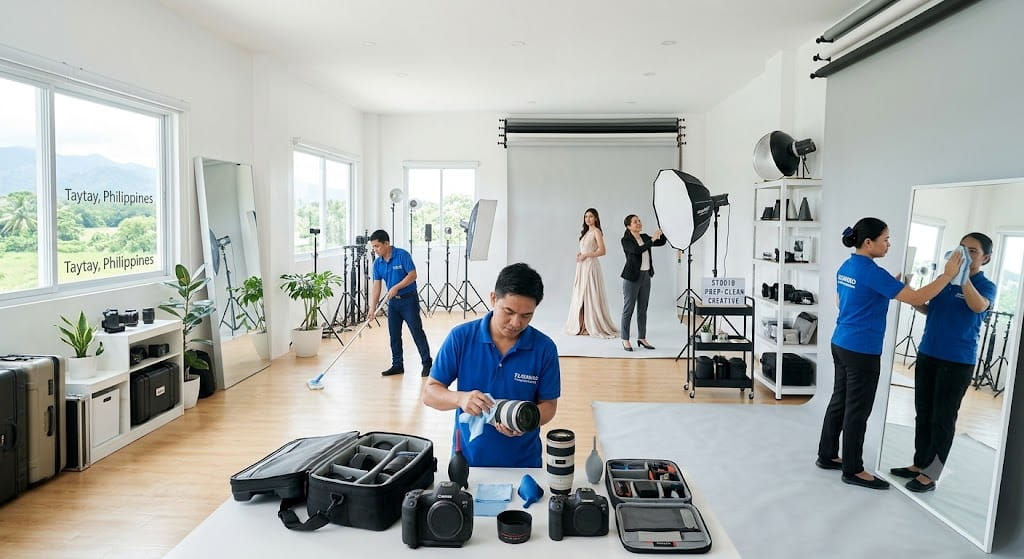
A memorable photograph depends on more than a skilled photographer and a high-quality camera. While lighting setups, camera settings, and artistic direction often receive the most attention, the cleanliness of the studio is equally important. Dust, fingerprints, clutter, and smudges can interfere with equipment, distract subjects, and even appear in the final images. Professional cleaners just like home cleaning services by Cleansy play a valuable role in helping photo studios maintain spaces that are ready for every session.

By keeping floors spotless, backdrops free from dust, mirrors streak-free, and workspaces sanitized, they help photographers focus on capturing great images instead of solving preventable problems. Whether the studio specializes in portraits, fashion, commercial products, or family photography, a clean environment contributes to smoother operations and higher-quality results.

A Clean Studio Supports Better Photography

Photography is built on detail. High-resolution cameras capture every texture, reflection, and imperfection within a scene. Even tiny particles of dust that go unnoticed by the human eye can become visible under powerful studio lighting.

Professional cleaning helps reduce these distractions by maintaining every part of the shooting environment. Floors remain free of dirt that could be tracked onto sets, while windows and mirrors stay clear of streaks that might interfere with lighting or reflections. Common areas that benefit from routine professional cleaning include:

  • Photography backdrops
  • Studio floors
  • Reception areas
  • Makeup stations
  • Dressing rooms
  • Mirrors and glass surfaces
  • Furniture and props

By keeping them clean, it promotes cleaner visuals enabling photographers to focus on their craft and less time correcting avoidable flaws during editing.

Protecting Valuable Equipment from Dust and Debris

Photography equipment represents a significant investment. Cameras, lenses, lighting systems, computers, monitors, and editing stations all perform best when kept in clean surroundings.

Dust is one of the biggest challenges in any studio environment. It can settle on lenses, image sensors, light modifiers, tripods, and electronic equipment over time. Although photographers regularly clean their gear, minimizing dust within the studio reduces the frequency of maintenance and lowers the risk of contamination during equipment changes.

Professional cleaners help by reducing airborne dust through thorough cleaning techniques that include vacuuming, dust removal, and floor maintenance. Clean carpets, furniture, and ventilation areas also contribute to better indoor air quality, reducing the amount of debris circulating throughout the workspace.

A cleaner environment helps preserve expensive equipment while supporting consistent photographic performance.

Better Lighting Begins with Cleaner Spaces

From softboxes, reflectors, mirrors, and diffusers, they all rely on clean surfaces to produce predictable and consistent lighting.

Dirty walls, dusty ceilings, or smudged reflectors can subtly affect how light behaves inside the studio. Even fingerprints on mirrors or glass surfaces may introduce unwanted reflections that complicate a shoot.

Professional cleaners help maintain optimal lighting conditions by ensuring that reflective surfaces remain clean and free from residue. Regular cleaning also helps preserve white walls, seamless backgrounds, and studio ceilings that contribute to accurate light distribution.

This attention to cleanliness allows photographers to spend more time refining creative lighting techniques instead of correcting environmental distractions.

Creating a Comfortable Experience for Clients

Photography is often a collaborative experience involving clients, models, stylists, makeup artists, assistants, and production teams. The condition of the studio influences not only the quality of the images but also the overall experience of everyone involved.

A clean reception area creates a positive first impression, while organized workspaces help projects run more efficiently. Sanitized dressing rooms, fresh seating areas, and tidy makeup stations demonstrate professionalism and attention to detail.

Professional cleaning also contributes to a healthier indoor environment by reducing dust, allergens, and bacteria on frequently touched surfaces. This creates a more comfortable atmosphere for clients who may spend several hours inside the studio during extended photo sessions.

When visitors feel comfortable and confident in the environment, they are often more relaxed in front of the camera, which can lead to more natural and expressive photographs.

Saving Time during Production and Post-Processing

Every photographer understands that editing can be one of the most time-consuming stages of a project. Dust spots, dirty floors, background imperfections, and unwanted clutter frequently require digital correction during post-production.

While image editing software can remove many of these issues, preventing them in the first place is far more efficient.

Professional cleaners help streamline production by ensuring that studios remain consistently ready for use. Clean backgrounds reduce retouching work, organized spaces improve workflow, and sanitized workstations allow creative teams to move efficiently between setups.

Regular professional cleaning also supports better organization by reducing clutter, keeping storage areas orderly, and maintaining equipment spaces that are easier to navigate during busy production schedules.

As a result, photographers can devote more time to creativity, client interaction, and image refinement rather than correcting avoidable environmental issues.

Excellent Photo Studio is the Culmination of All Elements

Great photography depends on countless details working together. While cameras, lighting, and artistic vision remain central to every successful photo shoot, the condition of the studio itself has a significant impact on both the creative process and the final results.

Professional cleaners contribute by maintaining dust-free floors, spotless backdrops, clean mirrors, sanitized workspaces, and organized environments that support efficient production. Their work helps protect valuable equipment, improve lighting performance, reduce editing time, and create a welcoming atmosphere for clients and creative teams alike.

Genre & Mood Through Imagery: What Different Film Genres Can Teach Photographers About Visual Storytelling

The Academy of Motion Picture Arts and Sciences recognizes achievements in cinematography because visual storytelling shapes how audiences experience every scene. Before a character speaks, viewers often understand whether they are watching an action film, a romance, a science fiction adventure, or a historical drama simply through lighting, color, composition, and atmosphere. Those same visual principles offer valuable lessons for photographers who want to create stronger, more expressive images.

Many photographers study films to better understand visual storytelling. Streaming platforms featuring Korean movies provide useful examples of how mood changes through careful use of light, framing, and color. Rather than copying a particular scene, photographers can observe how directors and cinematographers build emotion through visual choices, then adapt those ideas to portraits, travel photography, commercial work, or personal projects.
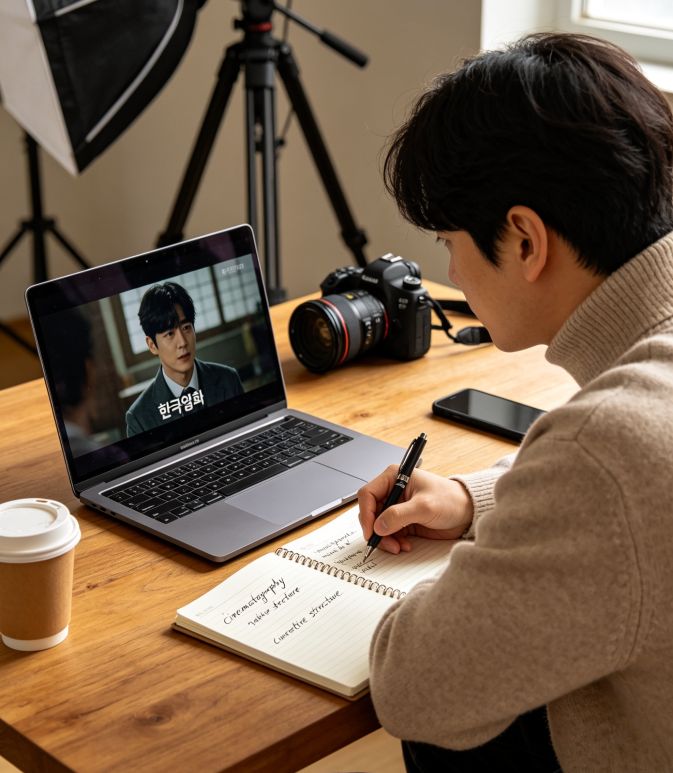
Film Genre Collage

Why Visual Language Defines Genre

Every film genre relies on a recognizable visual language. Viewers learn these patterns over time, often without realizing it. Bright colors may suggest optimism, while darker tones often create suspense or uncertainty. Wide landscapes can communicate freedom, whereas close framing encourages intimacy.

The British Film Institute explains that cinematography guides the audience’s emotional response by controlling what is seen and how it is presented. Lighting, camera position, costume, production design, and color work together to establish mood long before dialogue explains the story.

Photographers face a similar challenge. Every decision, from lens selection to editing style, influences how viewers interpret an image. Understanding genre conventions helps photographers become more intentional instead of relying solely on technical settings.

Action Films: Creating Energy and Movement

Action films rarely feel calm. Their visual language encourages excitement through movement, contrast, and dramatic composition. Cameras frequently capture subjects from low or unusual angles, making characters appear larger than life. Diagonal lines and layered compositions create a sense of speed, even in still frames.

Lighting also plays an important role. Strong highlights, deep shadows, headlights, practical lighting, and glowing city streets contribute to an atmosphere filled with tension and urgency. Warm colors such as orange and red often appear alongside darker backgrounds, increasing visual contrast.

Photographers can apply these techniques by experimenting with motion blur instead of freezing every subject. Shooting from lower perspectives, using leading lines, or placing subjects off-center can make an ordinary scene feel much more dynamic. The goal is not to imitate movie scenes exactly, but to create photographs that communicate motion and excitement.

Romance Films: Building Emotion Through Softness

Romantic films often rely on gentle lighting and subtle composition to draw viewers closer to the characters. Soft window light, golden-hour sunlight, and carefully diffused illumination create a welcoming atmosphere that supports emotional storytelling.

Color choices are equally important. Warm neutrals, cream tones, pastel shades, and natural colors help establish comfort and connection. Shallow depth of field keeps attention on facial expressions while allowing distracting backgrounds to disappear.

The International Color Association notes that color strongly influences emotional perception, making thoughtful color selection an important part of visual communication across photography, film, and design.

Portrait photographers can borrow these ideas by focusing on authentic interactions instead of elaborate poses. Small gestures, eye contact, and natural expressions often communicate more than dramatic staging. Soft lighting complements those moments without competing for attention.

Science Fiction: Designing the Future With Light

Science fiction presents a different visual experience. Many productions use clean architecture, geometric compositions, reflective materials, and carefully controlled lighting to suggest advanced technology or unfamiliar worlds.

Cool colors dominate many futuristic scenes. Blue, cyan, violet, and metallic tones frequently appear alongside dark environments illuminated by LED lighting or glowing displays. Symmetry also becomes more common, reinforcing ideas of precision and technology.

Research published by MIT Media Lab has explored how lighting and color influence perception, demonstrating that visual environments significantly affect emotional responses and attention.

Photographers do not need expensive equipment to experiment with this style. Affordable LED lights, reflective surfaces, glass, mirrors, and carefully planned compositions can create futuristic moods. Simple locations often become visually striking once lighting receives greater attention.

Period Films: Letting History Shape the Mood

Historical dramas depend heavily on authenticity. Their visual language usually avoids modern distractions and instead highlights architecture, clothing, textures, and natural light that reflect the period being portrayed.

Candlelight, window illumination, muted earth tones, aged wood, stone walls, and textured fabrics help create believable settings. Rather than pursuing perfect clarity, cinematographers sometimes embrace softer contrast to make scenes feel timeless.

Photographers interested in vintage aesthetics can use similar ideas. Historic neighborhoods, heritage buildings, antique furniture, and natural materials provide strong visual foundations. Editing choices also matter. Slightly muted colors often reinforce the feeling without making photographs appear artificial.

Visual Techniques That Work Across Every Genre

Although every genre has its own style, several principles remain consistent across successful visual storytelling.

Color Should Support the Story

Editing should strengthen the emotion already present in the photograph. Applying dramatic color grading without considering the subject often creates inconsistency. Successful photographers usually develop editing styles that remain recognizable throughout an entire project.

Composition Guides Attention

Leading lines, symmetry, framing, and thoughtful subject placement help viewers understand where to look first. Every element inside the frame contributes to the story, even those that seem unimportant at first glance.

Lighting Creates Emotion

Hard light generates drama, while soft light usually feels more inviting. The direction of light changes how faces, objects, and landscapes appear. Shadows often communicate as much emotion as highlights.

Backgrounds Matter

Every object within the frame influences the final message. Removing unnecessary distractions allows viewers to focus on the intended subject without competing visual information.

Applying Cinematic Thinking to Everyday Photography

Genre-inspired photography does not require elaborate sets or expensive equipment. Instead, it begins with asking a simple question before pressing the shutter: What should the viewer feel?

Portrait sessions become more expressive when lighting matches the subject’s personality. Travel photography becomes more memorable by emphasizing atmosphere instead of simply documenting locations. Commercial photography benefits from visual consistency that reflects a brand’s identity rather than following temporary trends. For photographers interested in learning photography through films, analyzing cinematography frame by frame can provide practical lessons in composition, lighting, and visual storytelling that are easy to adapt to everyday shooting.

Many contemporary Asian films demonstrate how subtle changes in color, pacing, and composition transform familiar locations into emotionally engaging scenes. Studying a variety of international cinema encourages photographers to expand their creative vocabulary without copying individual productions.

Common Mistakes When Borrowing Cinematic Styles

One common mistake is focusing entirely on color grading while ignoring composition and lighting. Cinematic images succeed because every visual element supports the same emotional goal.

Another challenge involves combining conflicting styles within one project. A futuristic lighting setup paired with vintage styling may confuse viewers unless there is a clear creative reason behind the decision.

Finally, photographers sometimes become distracted by technical effects instead of storytelling. Beautiful lighting and dramatic editing have greater impact when they strengthen the subject’s emotional message rather than overpower it.

Conclusion

Film genres communicate emotion through carefully planned visual language. Action films create energy, romances encourage intimacy, science fiction explores atmosphere through technology, and period dramas build authenticity with texture and natural light. These approaches offer practical lessons for photographers seeking stronger storytelling.

Studying international cinema, including acclaimed productions from South Korea and other filmmaking traditions, helps photographers recognize how color, composition, lighting, and texture work together to shape emotion. By understanding these visual principles instead of simply recreating memorable scenes, photographers can develop a style that feels authentic, thoughtful, and uniquely their own.
Mastering Shadow and Light: Tips for Using Spotlights in Portrait Photography

portrait photography

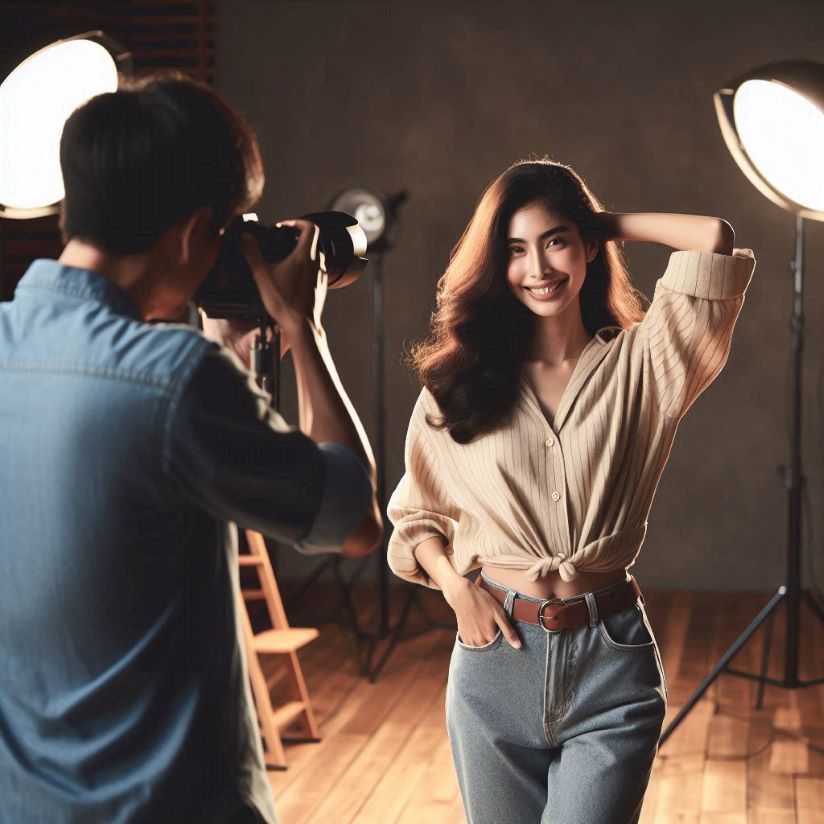
The interplay of shadow and light can make or break a portrait. While natural light is often praised for its soft and flattering qualities, spotlights offer precision and control that can elevate your portrait photography to new heights. With the ability to shape and direct light exactly where you want it, spotlights can help you create striking images that capture the essence of your subject.

LEONLITE’s spotlights are particularly well-suited for portrait photography. These lights allow photographers to experiment with various lighting techniques, from dramatic shadows to soft, diffused light, providing endless creative possibilities. Whether you’re shooting in a studio or on location, understanding how to use spotlights effectively can transform your portraits.

LEONLITE is recognized for providing top-tier LED lighting solutions that address diverse lighting needs. Their products strongly emphasize energy efficiency, longevity, and contemporary design, making them ideal for enhancing lighting setups. Whether it’s landscape lighting like pathway lights (https://leonlite.com/collections/path-lights) or security lights, LEONLITE’s products are engineered to offer dependable performance while being eco-friendly. With a dedication to innovation and customer satisfaction, LEONLITE remains a respected leader in the lighting field.

The Role of Lighting in Portrait Photography

1. Creating Depth and Dimension

One of the primary goals of portrait photography is to create a sense of depth and dimension in your images. Flat, even lighting can make a subject look lifeless and two-dimensional. By using spotlights, you can add depth by casting shadows that sculpt the face and body, highlighting the contours and creating a more three-dimensional effect.

Leonlite spotlights are ideal for this purpose, as they allow you to control the direction and intensity of the light. Positioning the spotlight at an angle to the subject, known as “side lighting,” is a classic technique for adding depth to a portrait. This creates shadows on one side of the face, emphasizing the subject’s features and giving the image a more dynamic look.

2. Emphasizing Texture and Detail

Spotlights are excellent tools for highlighting the textures and details of your subject, such as the texture of skin, hair, or clothing. The focused light can reveal fine details that might be lost in softer, more diffuse lighting. This is especially useful in close-up portraits, where capturing every detail is crucial.

Leonlite’s spotlights provide precision in emphasizing these textures without washing them out. By adjusting the distance and angle of the light, you can control how much texture is revealed, allowing you to achieve the desired level of detail in your portraits.

3. Setting the Mood

Lighting is not just about illumination; it’s also about setting the photograph’s mood. Spotlights are particularly effective for creating dramatic and moody portraits, where shadows significantly convey emotion. Whether you want to create a sense of mystery, intensity, or softness, the right use of spotlights can help you achieve that mood.

For example, a single Leonlite spotlight positioned low and to the side can create deep shadows that give the portrait a dramatic and mysterious feel. Alternatively, using multiple spotlights at different angles can create a more balanced and evenly lit portrait, suitable for a softer and more approachable look.

How to Use Leonlite Spotlights in Portrait Photography

1. Understanding Lighting Patterns

Before you start experimenting with spotlights, it’s important to understand the different lighting patterns used in portrait photography. Each pattern creates a unique effect on the subject’s face, and Leonlite spotlights can be adjusted to achieve any of these patterns:

  • Rembrandt Lighting: Named after the famous painter, this pattern creates a triangle of light on the cheek opposite the light source. It’s ideal for adding drama and depth to a portrait.
  • Loop Lighting: This pattern is created by positioning the light slightly higher and to the subject’s side, casting a shadow of the nose that forms a small loop on the cheek.
  • Butterfly Lighting: Also known as Paramount Lighting, this pattern is created by positioning the light directly above and slightly in front of the subject, casting a shadow under the nose that resembles a butterfly.

By practicing these patterns with Leonlite spotlights, you can develop a strong foundation in portrait lighting techniques.

2. Experimenting with Angles and Distances

The beauty of using spotlights in portrait photography lies in their versatility. By simply adjusting the angle or distance of the light, you can dramatically change the look of your portrait. For example, bringing the spotlight closer to the subject will create a more intense and focused light, while moving it further away will soften the light and reduce shadows.

Leonlite spotlights are designed to be easily adjustable, allowing you to experiment with different setups until you find the perfect lighting for your subject. Don’t be afraid to move the light around and try out various angles to see how they affect the mood and look of your portrait.

3. Balancing Multiple Lights

If you’re using multiple spotlights, it’s important to balance them correctly to avoid creating harsh shadows or uneven lighting. Start with one key light, usually positioned at a 45-degree angle to the subject, and then add fill lights or backlights as needed to soften shadows and create a more balanced portrait.

Leonlite spotlights can be used as both key and fill lights, providing the flexibility you need to create a well-lit and visually appealing portrait. By carefully balancing the lights, you can achieve a professional-quality portrait with the right highlights and shadows.

READ ALSO: The Art and Business of Photography

Conclusion: Elevate Your Portrait Photography with Leonlite Spotlights

Mastering the use of spotlights in portrait photography can open up a world of creative possibilities. Whether aiming for a dramatic, moody portrait or a soft, evenly lit image, Leonlite’s spotlights provide the control and precision you need to bring your vision to life. By experimenting with different lighting techniques, angles, and patterns, you can create stunning portraits that capture the true essence of your subject.

Exploring the Art of Tow Truck Photography

In the world of photography, there exists a multitude of genres and subjects waiting to be captured through the lens of a camera. While some may gravitate towards landscapes, portraits, or wildlife, others find inspiration in the most unexpected places. One such niche that has been gaining attention recently is tow truck photography.

The Art of Tow Truck Photography

Tow trucks particularly heavy duty towing trucks may seem mundane at first glance, but upon closer inspection, they reveal a symphony of shapes, colors, and textures. From the sleek curves of their chassis to the rugged machinery of their towing apparatus, there is no shortage of visual interest for the discerning photographer.

In this section, we discuss techniques for capturing tow trucks in their element. Whether it’s experimenting with different angles, playing with light and shadow, or focusing on intricate details, there are endless possibilities for creating compelling images.

Finding Beauty in Unexpected Places

One of the most rewarding aspects of tow truck photography is the opportunity to find beauty in unexpected places. While most people may see a tow truck as a symbol of inconvenience or trouble, photographers have the chance to reframe it as a work of art.

We showcase stunning photographs that highlight the aesthetic appeal of tow trucks against diverse backdrops. From urban landscapes to rural settings, these images challenge preconceived notions and invite viewers to appreciate the beauty in the ordinary.

The Stories Behind the Trucks

Behind every tow truck is a story waiting to be told. In this section, we explore the human side of tow truck photography by delving into the lives of the people behind the wheel. Through intimate portraits and candid interviews, we uncover the passion, dedication, and ingenuity that drive these professionals in their line of work.

Inspiring Others Through Photography

Tow truck photography not only offers a unique creative outlet but also has the power to inspire others. Whether it’s sparking an interest in automotive design, highlighting the importance of roadside assistance, or simply encouraging people to look at the world with fresh eyes, these images have the potential to make a lasting impact.

We conclude by encouraging readers to explore their own surroundings with a newfound appreciation for the beauty that lies beneath the surface. After all, in the world of photography, there are no limits to what can be captured through the lens – even something as seemingly ordinary as a tow truck.

READ ALSO: Packing Luggage for a Photography Trip

Conclusion

In this blog post, we’ve explored the often-overlooked world of tow truck photography and discovered the beauty, complexity, and human stories that lie behind these machines. From experimenting with different techniques to finding inspiration in unexpected places, tow truck photography offers a unique opportunity for photographers to flex their creative muscles and challenge perceptions. So, the next time you spot a tow truck on the road, take a moment to appreciate the artistry that surrounds it – you might just find yourself looking at the world in a whole new light.

Picturing Profits: The Ultimate Photography Business Car and Rims Combo

ideal car for photographers

Are you ready to take your photography business to the next level? If so, we have an unconventional yet incredibly effective strategy to share with you. In this article, we’ll dive into the world of car rims (like those featured on Wheelpoint) and how pairing them with the perfect car can transform your brand and photography services. Buckle up, as we explore the ultimate combination for boosting your photography business!

The Power of the Perfect Ride

Your choice of vehicle can say a lot about your photography business. It’s not just a means of transportation; it’s a mobile extension of your brand and a canvas for your creative endeavors. When your car embodies your style, professionalism, and personality, it can leave a lasting impression on your clients. But what if we told you that the magic isn’t just in the car itself? Enter the wide set of rims.

Unveiling the Wide Set of Rims

Wide set of rims are more than just an accessory; they’re a statement. These stylish, wide wheels not only enhance the aesthetics of your car but also improve its performance and grip. Imagine cruising to your photography sessions with the perfect balance of style and functionality. These rims come in various designs, colors, and materials, allowing you to personalize your vehicle and make it truly unique.

Branding and Image Enhancement

In the world of photography, creating a strong brand and image is paramount. Your choice of car and rims can play a significant role in this process. Here’s how:

1. Stand Out from the Crowd

A photography business with a distinctive vehicle and rims combo immediately grabs attention. It sets you apart from the competition and gives potential clients a memorable first impression. When your car pulls up with those wide set of rims gleaming in the sunlight, it’s hard not to notice.

2. Reflect Your Style

Your car and rims combo should be a reflection of your style as a photographer. Whether you’re into sleek and modern aesthetics or a more vintage, classic vibe, there’s a perfect pairing for you. Your vehicle becomes an extension of your artistic personality, making it easier for clients to connect with your work.

3. Build Trust and Professionalism

Arriving at a photoshoot in a well-maintained, stylish vehicle shows professionalism and attention to detail. Clients are more likely to trust a photographer who invests in their brand and image. It’s an indirect way of saying, “I care about every aspect of my work, including the experience you have with me.”

The Performance Aspect

While the wide set of rims primarily serve as a style enhancer, they also offer improved performance and handling. Here’s how:

1. Enhanced Grip and Control

Wide rims provide more contact with the road, resulting in better grip and control. This is especially useful when you need to navigate rough terrains or quickly change angles for the perfect shot. It ensures both your safety and the safety of your equipment.

2. Better Traction

Whether you’re shooting in wet or dry conditions, a car with wide rims offers better traction. This can be a game-changer when you need to get to that remote, picturesque location without any hiccups.

Personalizing Your Combo

Now that you’re convinced of the potential benefits, it’s time to personalize your car and rims combo. Here’s a step-by-step guide:

1. Define Your Brand

Start by defining your brand and style. Are you going for a minimalist, elegant look, or something more bold and attention-grabbing? Your car and rims should align with this vision.

2. Research and Select

Research wide set of rims options that match your brand’s style. Look for reputable manufacturers and suppliers, ensuring you get the best quality and design.

3. Consult a Professional

To ensure a perfect fit, consult a professional mechanic or car customization expert. They can help you choose the right rims and install them properly.

4. Maintenance Is Key

Once your car and rims combo is in place, remember that maintenance is key. Regularly clean and check your rims to keep them looking their best and performing at their peak.

READ ALSO: The Impact Of Photography On Society

Conclusion

The ultimate photography business car and rims combo may seem like an unconventional investment, but it has the potential to transform your brand and photography services. By selecting the right vehicle and wide set of rims that align with your style and vision, you can stand out from the crowd, build trust with clients, and enjoy improved performance on the road. So, why wait? Upgrade your ride and elevate your photography business to new heights.

Incorporating a unique car and rims combination into your photography business is a bold move that can set you apart from the competition. It’s a statement of your dedication to your craft, your commitment to your brand, and your readiness to take your services to the next level. So, start picturing profits and drive your photography business to success with the ultimate car and rims combo!

The Art and Business of Photography

Photography is more than just a hobby or a creative outlet. It’s a thriving business with diverse opportunities and challenges.

Building Your Photography Business

Starting a photography business requires more than just a good camera. Here are some essential steps:

Skill Development

Invest time in learning photography techniques, lighting, composition, and editing. Continuous improvement is key.

Business Plan

Create a business plan that outlines your goals, target market, pricing, and marketing strategies.

Equipment and Software

Invest in quality equipment, including cameras, lenses, and editing software. Keep up with technology trends.

Legal Considerations

Register your business, obtain necessary permits, and familiarize yourself with copyright laws and contracts.

Marketing and Branding

Build a strong online presence through a website and social media. Showcase your portfolio to attract clients.

The photography business is a dynamic and diverse field with numerous opportunities for creative professionals. With dedication, skill development, and effective business strategies, you can turn your passion for photography into a thriving career.

The Significance Of Photography In Education

In the modern age of information and technology, visual communication plays a pivotal role in education. Among the array of visual tools available, photography stands out as a powerful and essential medium for enhancing the learning experience. From early childhood education to advanced academic pursuits, the importance of photography cannot be overstated.

Visual Learning Aids Understanding

Photography is more than just capturing images; it’s about storytelling through visuals. In education, complex concepts can often be challenging to convey through words alone. Photography provides a way to simplify these concepts by presenting them visually. Whether it’s capturing the intricate details of a biological specimen or documenting historical artifacts, visual representation aids in comprehending and retaining information.

Inspiring Creativity

Photography encourages creativity and critical thinking among students. By engaging with the world through a lens, students learn to observe and interpret their surroundings in unique ways. This creative exploration fosters not only artistic expression but also innovation in problem-solving, a skill applicable across various disciplines.

Photography: Medium To Inspire

Photography is a powerful medium that allows you to capture moments, tell stories, and express your creative vision. With the advent of digital technology, photography has become more accessible than ever before, enabling anyone with a camera to become a visual storyteller. From capturing breathtaking landscapes to documenting everyday life, photography has the ability to inspire, evoke emotions, and preserve memories.

Preserving Moments in Time

At its core, photography is about freezing moments in time. It allows you to capture a split second of beauty, a fleeting expression, or a significant event, preserving it for posterity. Through photography, you can revisit these moments and relive the emotions they evoke, even years later.

The Impact Of Photography On Society

Photography has become a powerful tool for expressing your feelings, capturing moments, and telling stories. It has the power to capture and convey emotions in ways that words alone cannot. In addition, it has the power to shape public opinion and influence society.

How Photography Impacted Social Movements & Cultural Norms?

Photography has been a powerful tool for social movements and cultural norms since its invention. It allows you to document history, share stories, and showcase different perspectives in ways that words cannot. People use photography to capture moments of injustice and spread awareness about issues around the world. By using photography to show what is happening in society, you can create change and challenge existing cultural norms. It also allows you to connect with people on a deeper level.

Photography Can Make You a Better Person

Photography is a medium that can help you capture memories. It’s also a great way to learn about yourself.

Photography is becoming more popular than ever with the advent of smartphones. With the rise of photography, you are able to capture memories in both high-quality and low-quality formats.

The best part about photography is that it allows you to look at yourself and others in a different light. It can help you understand personality traits, emotions, and thoughts better than any other medium.

Why Are People Obsessed with Photography?

People are obsessed with photography because it is a way to capture memories, emotions, and moments.

Photography has become more accessible in the digital age. People now take more photos than ever before. This has led to a rise in the popularity of photography as well as an increase in the number of photographers worldwide.

The Role of Photography in Modern Life

Photography has been a part of human life since the beginning of time. However, with the discovery of digital cameras and smartphones, photography has become easier and more accessible for everyone.

The role of photography in modern life is no longer just about taking pictures and memories. It is also about creating content that can be shared on social media platforms.

Can digital photography enhance our society?

Digital photography is a new form of art that has been evolving over the years. It’s a digital art form that combines the best of both traditional and contemporary photography.

Digital photography can have a profound impact on society, especially in terms of how it changes people’s mindsets about what is considered beautiful and acceptable.

The Significance Of Photography

The photo plays an essential role in attracting the reader, informing him, and encouraging him to read the article that it enriches. From the design of the article, you must ask yourself the question of the design of the photo. You should know that a photo can say better and more than a text.

How to photograph

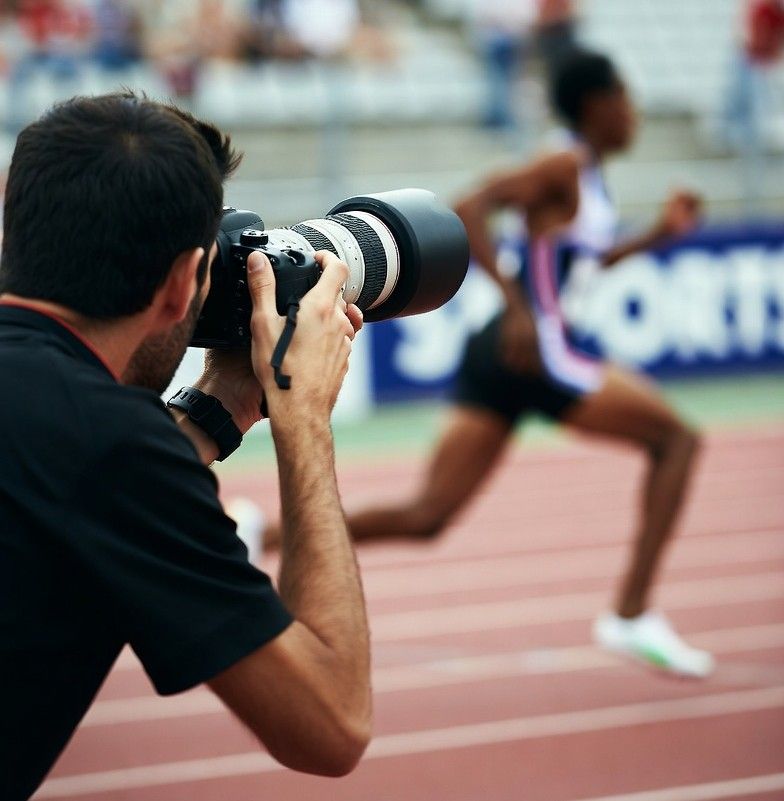
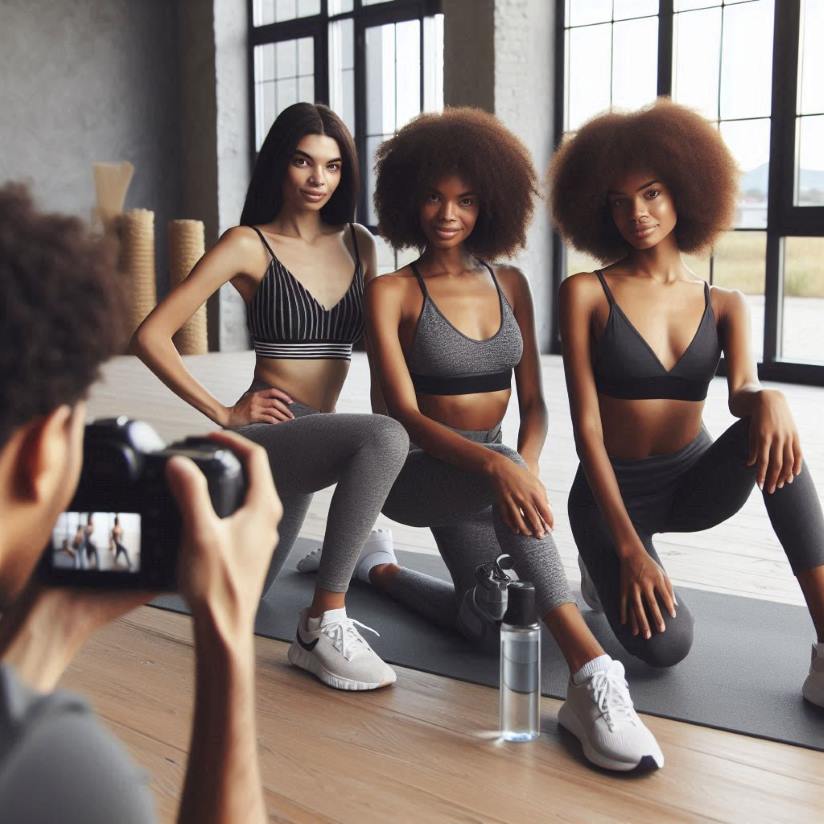
To photograph is to record a slice of life, a strong moment, and a palpable emotion. On the condition of seizing it well, at the right moment, of being neither too close nor too far. For this, the device and its prior adjustment are essential. If you photograph a runner in motion, a group posing, or a scene with multiple actors, you won’t behave the same way.

Using Digital Frames for Photographs

Analog picture frames


Since 2008, this was all the rage, a digital signage display board on the wall. The photo school has the web for you and it still exists, even with cloud and battery. So this section stays in the photography school.

Let’s go:

TFT monitors and displays are becoming cheaper and cheaper and so are always new markets for manufacturers. This certainly includes the previously sorely missed digital picture frame. Friends of a tablet will already guess it, actually, such a digital picture frame is a strong slimmed-down version of the small all-rounder, not just a screen because many of the devices also have some computing power. Basically, however, there are only small screens that have a market-increasing name: the digital picture frame.

What are the benefits of a digital photo frame?

First and foremost, it is of course about presenting your pictures. Aunt Gerti may, as was common practice a few years ago, but the small 10×15 gems as paper photos on the kitchen table, today it’s digital. Not everyone has a notebook or at least wants to unpack and set it up, alternatively sit down in the study at the big Blechotto or first load sticks with his photos to put them on the TV Watch. And looking at the digital photos on the often less brilliant displays of the digicams is not so true, because most of the details remain hidden.

This is exactly where one of both areas of application of the digital picture frame is. You insert the memory card of your digicam into the digital photo frame, select a suitable slideshow function and off you go. Of course, you can also edit, compile and refine your photos on your PC beforehand. You can also prepare a complete multimedia show of your photos and save them as a video to transfer them from the card in the Digital photo frame.


ALSO READ: Photography Is An Art


Before buying, you should make sure that your digital photo frame harmonizes with your memory cards. The size of the screen and the frame remains yours Leave taste, you should be critical when it comes to resolution and maximum brightness. Modern devices have a cloud connection or even bring their own cloud and have first-class displays. Such screens make your photos look perfect, you don’t recognize anything from the actual screen (resolution, pixels). They look as if there really is a photo there.

The second beautiful one The area of application of a digital picture frame is already hidden in the name. On the desk, the living room display case, or in the workshop, he shows brightly the memories from the last holiday or all seductive views of Aunt Gerti. So you always have a picture in your picture frame, which you never get enough of (at least not at first…. hopefully…).

Photography Is An Art

Photographers paint the world with their cameras. They paint shadows and lights, adjusting the temperature and tones of their images. As technology advances, photographers are given the opportunity to become more and more constrained by their tools and therefore focus solely on artistic expression.

Your camera can be your therapist

In this span of time, while mind and soul crave comfort and solace, you are exhausted from this infinite mundane of today, tomorrow and yesterday. You need some activity to escape the daily chaos. Something otherworldly and tactile. Something therapeutic and a harbinger of salvation.

For more visual people, creating art through the lens of a camera can be a relief.

Why Is Photography Crucial In Your Life?

There are photographs that have gone around the world due to the accuracy of the image. They want to present a unique view from your past.

History of the art of photography

Today, it is almost impossible to imagine what your life would have looked like when photography was just an unknown.

The word photography originates from two Greek words fotos which means light and graphy meaning drawing, writing. Literally, it can be translated as; “to paint with light.” In current speech, briefly, the term image is used.

The official date of the invention of photography is 1839, when Daguerre presented the invention he called “daguerreotype”. It is a simple improvement of the discovery made by Niepce, who had tried to invent the first camera. The owner of the invention became the French state.

Photography: Importance For Human Being

For hundreds of years, photographs have played an important role both in history and in people’s daily lives. Photography is an art because through it, you can transmit an unlimited number of experiences or feelings.

Significance of photos in people’s lives

Any photo represents a memory. This is why most people have at least one photo album that frames hundreds of moments spent with family or friends. Only in this way can you stop time in place, unfolding a part of the film of your life whenever you have the opportunity. At the same time, according to some recent studies, it seems that photos have contributed to the success of social networks. They offer the possibility to any user to create a photo album in real time.

Photography: The Most Beautiful Hobby

Photography is one of the most beautiful relaxations for countless people.

When photography is fun

Photographing is fun when you can discover a motif from all perspectives and expose it differently. You linger and develop attention to motifs. You are willing to experiment and contribute your experience and creativity. If you get stuck on a motif, then you as photographer can all forget the time and experience photography as meditation. This is one of the reasons why the most beautiful hobby photography is so popular among people.

What Is A Good Photo?

There are photos that blow your mind. You are literally drawn into the picture, look at it for a long time, and want to show it to someone else to share your fascination.

Sometimes these are epic landscape photos, sometimes sports shots, spectacular wildlife photos, and intense portraits.

The soul of the moment

There are some photos whose storytelling is so strong that the other two parameters, technical perfection and composition, are completely pushed into the background. On the one hand, these are very personal photos that have a high emotional value. But there are also photos that have this extremely important, historical value not only for yourself but for all of humanity.

They show important moments or stories in human history. These photos score with their absolute uniqueness and unrepeatability. They show a story that has never been shown before and that can never be repeated.

Photography Is A Healthy Hobby Or Profession

Photography is a great way to introduce yourself to art. When it comes to technical precision, it is one of the art forms that require the least amount of practice to become a beginner, although like other art forms it offers infinite practice for perfection. When elements of creativity are thrown in, a lot of time and work can result in different images that capture different wonders.

Be it a professional or an amateur, becoming a photographer is a great way to do something perpendicular to the rest of life. Art allows you so much catharsis compared to other works that the time and effort you put into it can be a real blessing in life.

Photography Is Demanding And Versatile

In the beginning, it is about learning the technology and, in the truest sense of the word, the “craft”. After all, Da Vinci didn’t bring his masterpiece into the world right away and neither did any other painter.

In addition to operating the camera, photographic craftsmanship also includes extensive knowledge of lighting and image design. As a photographer, creativity, empathy, conceptual and analytical thinking are also part of the package. In-depth knowledge of image processing, printing and print preparation, material science, marketing and “content creation” are also included.

Photography is opposite

There are no limits to creativity here. Whether hard or delicate, low-contrast or high-contrast, fine-grained or coarse-grained, colourful or monochrome, emotional or sober to radical, genius lies in deliberate error. Whether the art lies in the image processing or in the manual post-processing is up to you.

Importance Of Shutter Speed For Photography

Shutter speed is one of the most important camera settings in digital photography. Only those who know how it affects the image can consciously use it as a creative tool.

Basically, of course, you have to deal with technical backgrounds in order to be able to take nice pictures. However, if you want to have more influence on your photos than just choosing the subject, you should definitely understand the meaning of different camera settings. An elementary setting, the effect of which every ambitious photographer must know, is the shutter speed.

What role does shutter speed play in exposure?

The shutter speed thus regulates how long light falls on the sensor. But what does that mean for the photographer? If he manually sets the shutter speed of his camera when taking a photo, he has a direct influence on the exposure of the photo. The shorter the exposure time, the less light falls on the sensor.  The choice of time ensures whether an image is exposed dark or bright. If you set an exposure time that is too short or too long when taking pictures, you will receive an under-or overexposed picture as a receipt.

Why Do Images Have An Effect At All?

First of all, you have to ask yourself why images can exert such an effective power at all. The mere visuality plays a role. Even if words naturally show their effect, pictures have a decisive advantage over them. After all, they work more directly on consciousness. Processing in the process of cognition is no longer necessary for them, unlike writing and language. Instead, images reach you even more directly.

How do images influence you?

Unlike language or writing, both constructed forms of communication, you can perceive images much more directly and intuitively. They can be recognized many times faster by your brain. You capture the basic content of a photo in just 0.1 seconds. Simultaneously, it is easier for you to store a larger quantity of image information. After a few days, it becomes easier to remember pictorial information than, say, a list of words.

The Importance Of Photography

The landscape of photography has changed dramatically over the past hundred years. Once a formal and planned matter arises, gloomy faces have now given way to spontaneous, impulsive and informal photoshoots.

Not easy, but important

In the past, photography was an expensive hobby with a focus on camera, film and development costs. With the advent of smartphones, it’s just got easier to take your own photos. You can take as many pictures as you want and delete them as you want without the pressure to produce professional-looking pictures. You can use photos to express yourself and communicate with each other.

Photographs arouse nostalgia. They serve as a chronicle of your life. They tell the story that you don’t always speak. They are the legacy you leave to your children and are an opportunity to share your stories with future generations.

Taking Better Pictures

How critical is it to take photos in a different angles and perspectives? Pictures or images can be boring when they are taken at the photographer’s eye level.   Photos taken in different angles grabs the viewers’ attention.

What are the impact of angles in your photographs?

  • Changing the angle or the perspective enhances the photographs rather than when you just take it at eye level. It adds a different dimension and effect to the shot. Try taking photos at a lower angle instead of the boring eye level shots. Shooting at a lower angle makes your subject appear bigger. It adds a grand element to the shot.
  • Taking photos in a different angle allows the photographer a unique point of view. Like taking under water shots. This grabs people’s attention because it allows them to see what’s under the water. It’s makes the picture more interesting.
  • When taking photos, don’t be lazy! Get out and walk around. Do different positions to get a good angle.

Shutter Speed Function of a Film Camera

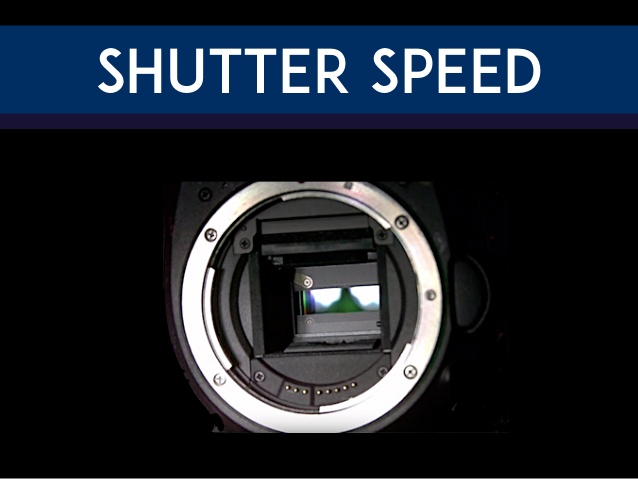
What is shutter speed and how can it impact your image? When your shooting in film, the exposure of your image is made up of three main factors that you have direct control over. The ISO, aperture and shutter speed. This article will focus on the functions of the shutter speed. On a camera body, the shutter is the piece that opens and closes really quickly.  This lets a certain amount of light in to your film when shooting your image. In analog cameras, the shutter can be seen when you open your film compartment at the back. The rectangular area is the shutter opening of your camera. As you take your picture the shutter will briefly open to allow a certain amount of light in your camera and on your film. The longer the shutter is open, the more light getting in your camera.

If your shooting in an SLR camera that allows you to look through the view finder and out the lens, then you will have a mirror in front of your camera. This mirror allows you to look into the lens and the view finder. When you take your picture the shutter will flip and open up behind it. In most manual cameras you can find a dial on top of your camera that indicates your shutter speed options. The numbers are all measured in fraction in a second. The numbers will determine how long your shutters are open. The lower the number, the longer your shutter is open. The shutter speed controls motion and the shape of your image.

These Practices Can Keep Your Cameras in Great Shape

When caring for your photography gears you have to take note of important practices you should follow that will help you not just to look after our gears but also it will minimize how much cleaning you actually have to do.

  1. When changing lenses. If you have a DSLR or a mirror less camera you would know that one of the advantages of having this kind of camera is that you can change lenses. Changing lenses is fine but can lead to dust and dirt getting inside the camera and stick into the sensor. You will know if your sensor is dirty because when you look into your images in a large screen you will notice little dots or marks in your image. Try to minimize the chances of dust to get inside the camera. Always use the cap to cover lenses.
  2. When taking photos in the rain it’s probably best to put your camera away from the water. Damp and wet cameras can be an issue because mold can grow inside the lenses and can cause camera parts to corrode. If you have to take a photo under the rain protect your camera from getting wet by using camera rain covers.
  3. When in a harsh environment like the beach always be careful by trying not to get sand in the gear. Note that sand is very abrasive. Sand granules can work themselves into the camera parts and this can be a real issue. Sand can scratch the lenses. This is also even worst for salt water going into the gear.

Tips You Can Follow When Editing Photos

Here are some good tips that amateur photographers can follow when editing a photo.  This allows them to bring out the best in what they do and how they can sell their images. Make this a habit in following these key things to improve the quality of your photos.

  1. Do not compare yourself to others. It’s good to be inspired by other photographers. However, be unique and create your own style.
  2. To get the best editing control over your photos it is better to shoot in raw rather than in jpeg. Raw photos allow you to easily adjust your light balance giving you the highest quality images. This makes it easier to adjust photos if it’s under or over exposed. You also get to enjoy nondestructive editing to your photos. Any editing photos you do to your raw photos is not permanent and this allows you to change it over and over again giving it a whole new look anytime.
  3. When editing your photos do not over sharpen an image. Many photographers do this and it degrades the quality of your photo. This is noticeable when you print the photos. Always keep your photos reasonable.
  4. Remove dust spots in your image. If you would like other people to admire your photos and for critics to give it a thumbs up, remove those dust spots in your photos. Put a little work and effort to it. Make it look clean as possible.

Photography And Towing: Best Tips On Doing Car Photography


If you have a cool car, it’s time to take some awesome pictures of it! You can go to a cool spot and use your phone to capture the moment. Car photography is a really fun experience that everyone should try. Capture cool memories and make your ride stand out through your love for cars!


Why Should Car Photographers Have Easy Access To Towing Services


Car photographers may find themselves in need of towing services for various reasons, despite their focus on capturing the sleek and dynamic aspects of automobiles. During on-location photo shoots, unforeseen mechanical issues or unexpected breakdowns can occur, leaving the photographer stranded with their valuable camera equipment. In such situations, a reliable towing service becomes essential to quickly and safely transport the vehicle to a repair shop, ensuring minimal disruption to the photo shoot schedule.

Additionally, photographers often work with vintage or classic cars that may be more prone to mechanical issues, making the availability of a dependable towing service crucial for preserving both the vehicle’s integrity and the photographer’s professional commitments. In the fast-paced world of car photography, having access to a trusted towing service ensures that photographers can focus on capturing stunning images without being bogged down by unexpected transportation challenges.

In case your car gets stuck in the middle of the road due to broken car parts or a clogged fuel filter, you can contact Towing San Jose to get help. Listed below are some tips to achieve extraordinary car photographs.


Three Photography Rules That Every Photographer Should Know


Whether you’re a seasoned pro or just starting, these rules serve as the compass guiding your creative endeavors, promising to elevate your photography to new heights. Let’s delve into the core principles that shape captivating images and transform the way you view and capture the world through your lens.


Automobile Photography Rule #1: Chase the sun


The principle of golden-hour shooting is enormously significant. The hour after sunrise and the one before sunset provide the ideal lighting for photographs; the low-angle sun adds warmth and feel to the picture, and also the generally-dimmer light letting you balance the picture components more readily. But do not pack it once the sun goes.

Additionally, keep in mind that in the event you need foreground and background evenly sharp, then bump up the aperture f-stop to greater values between, say, f/14 into f/20 while correcting the exposure to compensate for the dark picture.

Try to maintain the ISO as low as possible, to decrease the total amount of grain from the last picture. The very best method to do that’s to use longer exposures, which you may do in situations such as this even only a couple of seconds if you’ve got a tripod.


Automobile Photography Rule #2: Surprise individuals


Occasionally a guide, the straight-down-the-middle shot may be unbelievably impactful, particularly once you do something publication with the circumstance. This Mercedes-Benz CLS-Class was taken in Beverly Hills throughout the holiday year –hence the excess lighting. It took about 20 laps around the block to get it, but it had been enjoyable and a sudden approach to feature the surroundings that I took it in.


Automobile Photography Rule #3: Rope on your buddies


Shooting car-to-car is a joy but use common sense. Do not take action on public streets –parks could be good for things like that –and do not roll around the rear of an SUV. If you do not have a suitable harness setup, simply shoot from the rear seat of a hatchback with the back lid available.

Automobile Photography Rule #4: Do not hit them on the head


It does not need to be completely about the vehicle. In reality, sometimes the very gorgeous images emerge once you dial the car’s existence in a picture. Allow the environment to direct you to the very best shot, just keep in mind it might not be exactly what you expect.


Post Processing in Photography

Good photography comprises many aspects like lighting, composition, the subject, and many more. If a beautiful picture is uploaded to a social media site, the common question is “was the image photo shopped? As we enter the digital age, photography has also evolved. Photographers has used many post processing applications to edit and enhance their photos. Photographers use these tools, because in reality when a photographer captures an image with his camera, this may not be perfect at times. They use this tools to improve their images. However popular, some photographers condemn the use of this post-processing software. Still many photographers use them. Learning to use these tools is good as long as you know how to use them properly. A photographer should know his limits and other options when using these tools.

5 Important Post Processing Tips

Photographs as a Special Gift This Christmas

Christmas has a language all its own. Centuries after that first night , we continue to sing of nights calm and bright and peace and goodwill to all men. But it’s funny how, with the holiday frenzy, all that can be easy to take for granted. Yes, the rush, the partying, the gifts, are part of the season. But that’s not all there is to it. Take time to rediscover the heart behind the hysteria, sincere giving beyond the superficial greetings. This year the names on your gifts list are truly the most precious and closet to your heart. This would only mean you have taken special photographs of them for the past year. Turn this photographs into photo gifts. This will surely put a smile in their faces this holiday season. When we see them smile then and only then can we actually mean it when we say “Merry Christmas and a Happy New Year to you! ”

Towing and Photography: Documenting Roadside Assistance in San Jose

documenting roadside assisntance

Photography has the unique ability to transform everyday events into captivating stories. This is especially true for the world of roadside assistance in San Jose, where the drama of broken-down vehicles and the heroism of tow truck operators create a rich tapestry of moments worth capturing. Dive into the life of a roadside assistance photographer in San Jose and discover the challenges and rewards of photographing emergency towing services.

The Intersection of Towing and Photography

Capturing the essence of roadside assistance requires more than just technical skill with a camera. It involves understanding the context and the human emotions involved in each situation. Photographers must be ready to document the urgency of the scene and the professionalism of the towing crew. The blend of mechanical power and human touch provides endless opportunities for compelling imagery.

Linking to this fascinating world, one can find more details about towing services in San Jose by visiting towing san jose. This resource offers valuable insights into the industry and can enhance your appreciation for the work being documented.

Preparing for the Shoot

Preparation is key to successfully photographing roadside assistance. The unpredictable nature of towing jobs means photographers must be ready to adapt to various situations. Here are some essential steps to prepare:

  • Research Locations: Know the common spots in San Jose where roadside assistance is frequently required. This includes busy highways, downtown streets, and less-traveled roads.
  • Gear Checklist: Ensure you have the right equipment, including a camera with good low-light performance, various lenses, and a sturdy tripod.
  • Understand the Process: Familiarize yourself with the towing process to anticipate key moments worth capturing, such as the hookup, the lift, and the tow.

Capturing the Action

Photographing roadside assistance is about capturing the right moments that tell a story. Each phase of the towing process offers unique photographic opportunities.

The Arrival

When the tow truck arrives at the scene, it often marks the beginning of a dramatic transformation. The sight of a tow truck pulling up to a stranded vehicle is a powerful image that sets the stage for the story.

  • Wide Shots: Capture the entire scene, including the stranded vehicle, the tow truck, and the surrounding environment.
  • Close-Ups: Focus on details like the tow truck’s branding, the driver’s face, and the vehicle’s condition.

The Hookup

This phase involves attaching the vehicle to the tow truck, a process that requires skill and precision. It’s a moment that showcases the expertise of the towing crew.

  • Action Shots: Photograph the driver as they work to secure the vehicle. Look for expressions of concentration and determination.
  • Detail Shots: Highlight the equipment being used, such as chains, hooks, and levers.

The Tow

Once the vehicle is secured, the towing process begins. This is where the movement and mechanics of the tow truck can be captured beautifully.

  • Motion Shots: Use techniques like panning to capture the movement of the tow truck as it drives away with the vehicle.
  • Contextual Shots: Show the tow truck in its environment, whether it’s navigating through traffic or driving down a quiet street.

The Human Element

At the heart of every towing job are the people involved. Photographers should aim to capture the human emotions and interactions that occur during roadside assistance.

The Tow Truck Operator

Tow truck drivers are the unsung heroes of roadside assistance. Documenting their work provides a glimpse into their dedication and expertise.

  • Portraits: Take portraits of the drivers in action, focusing on their expressions and the tools of their trade.
  • Candid Shots: Capture drivers interacting with stranded motorists, offering reassurance and assistance.

The Stranded Motorist

The experience of a vehicle breakdown is often stressful and frustrating. Capturing the reactions and emotions of motorists adds depth to the story.

  • Emotional Moments: Photograph the relief and gratitude of motorists once help arrives.
  • Interaction Shots: Show the interactions between drivers and motorists, highlighting moments of support and communication.

Conclusion

Documenting roadside assistance in San Jose through photography offers a unique perspective on an essential community service. The challenges of capturing fast-paced, often chaotic scenes are outweighed by the rewards of telling powerful, human-centered stories. Whether it’s the dramatic arrival of a tow truck, the meticulous hookup process, or the emotional relief of a stranded motorist, each moment provides an opportunity to create compelling visual narratives.

For those interested in exploring this fascinating field further, visiting Towing San Jose offers a deeper dive into the world of towing services in San Jose. Embrace the challenges and rewards of photographing roadside assistance, and discover the stories waiting to be told through your lens.

What Is The Rule Of Thirds In Photography?

Good images with the right proportion are always preferred by many businesses in San Jose, regardless if it is a food business such as a burger joint or a service in towing San Jose. If you want to take your own images to advertise your business, you will have to know the rule of thirds.

What is the rule of thirds?

If you want to make a photo look more beautiful or if you want to adjust an image section so that it should look more aesthetic, you can use the rule of thirds. This is a design rule from photography that is based on the proportion theory of the golden ratio.

Effect of the rule of thirds

People often photograph subjects so that they are exactly in the center of the picture. This usually happens unconsciously, because you want to make sure that EVERYTHING can be seen in the photo. Objects in the center, however, often do not seem particularly original and are often labeled as boring, although the recording is flawless from a technical point of view.

This photographic rule provides a remedy. Roughly speaking, it is a simple alternative to the golden ratio, with which the image section on a photo can be made more exciting and interesting.

How do you use the rule of thirds?

For this rule, you simply divide the photo into nine equal parts and position the main subject on one of the four possible intersections. It can also be aligned along the continuous line.

This method is also suitable for a portrait. The same rules apply as for conventional images. However, when taking a portrait, it is advisable to focus on the eyes – preferably on the eye that is closest to the camera.

Rule of thirds in Photoshop

Tip: With Photoshop or Lightroom you can easily display a grid that corresponds exactly to the rule of thirds. To do this, click on the area of ​​the image with the cropping tool (key “c”) – et voilá: a grid with nine equally sized parts becomes visible. The GuideGuide plug-in can also be used to automatically set guidelines. This is how it works with the rule of thirds in Photoshop.

Alternative to aligning photos

The “Light Club” video channel proves that a central alignment can also work really well as an alternative to the rule of thirds. In their approx. 4-minute long video, the photo designers present well-known photos by top photographers who play with an alignment in the middle:

An interesting alternative that is in direct contrast to the rule of thirds and yet conjures up very appealing image sections. Of course, the result is also related to the subject. Experimentation pays off.

A Passion for Photography

Many photographers argue if film photography is better than digital photography. The answer will depend on the photographer’s experience and background. When answering this question we should take to consider how the photographer started learning.

A real photographer whose real passion is to take photos wouldn’t mind what camera to use. A dedicated photographer can find the wonder in a new day with a camera that would not hold him back. From the moment a photographer picks up a camera he is comfortable with this will instantaneously make him concentrate whatever mood and insight he may be in. A passionate photographer would have the moves of a pro. Whatever kind of camera he or she uses, as long as there is correct exposure and focus, one can definitely capture beautiful photos that would portray a good message. A photographer who really puts love to photography will surely be ready to capture photos that could never be taken again. For many, photography is a passion that makes their life complete.

The Power of Photography

Many people fall in love with photography. They find it a way to distress and to express themselves. Each photo taken tells a story whether taken by a professional or an amateur. Photography serves an important purpose. It captures and documents realistic events in our lives that we can share. Photography allows us to see the beauty of our surroundings. Photography communicates to all those who view the photos. By looking at a photo, one already understands the message it wants to portray. Photography is powerful. It can entertain, educate, inform, transform, and touch people’s lives.

The power of a photograph

Why Smartphone Cameras Are Deliberately Becoming Less Perfect

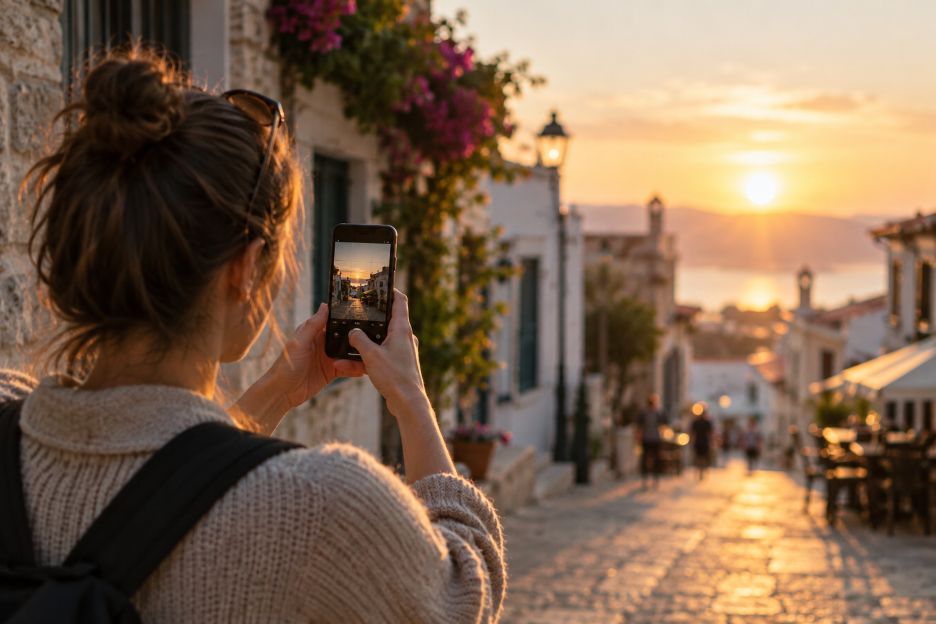
smartphone to capture a quiet street scene

Smartphone makers spent years developing cameras that could automatically sharpen details, combine exposures and brighten difficult scenes. Those systems remain central to mobile photography, but another direction is emerging. Some photographers now prefer images with softer detail, restrained processing, stronger shadows and even visible grain because they feel less mechanically perfected.

That preference is beginning to influence camera software itself. Google’s 2026 Pixel 11 introduced Camera Looks, including a Natural option designed for more relaxed detail. Google says some of these looks use techniques such as merging fewer frames to create a minimally processed appearance, while others alter color behavior to evoke characteristics associated with traditional film.

When Computational Photography Became Too Visible

Computational photography solved real problems created by tiny smartphone sensors. Phones can combine multiple frames to increase dynamic range, reduce noise and recover detail from shadows and highlights. Apple explains that its Photonic Engine uses multi-frame processing and high-resolution sensor information to produce detailed photographs with expanded dynamic range.

The results can be technically impressive. Bright skies are preserved. Dark faces become easier to see. Fine texture can appear unusually crisp.

Yet heavy processing can also create a recognizable smartphone look. Strong sharpening may emphasize every hair or surface texture. HDR can brighten shadows that a photographer intentionally wanted dark. Noise reduction can smooth away subtle texture. A picture may contain more visible information while feeling less like the scene the photographer remembers.

More Control Before the Shutter

Phone makers are responding by giving users more influence over the image before capture. Apple lets supported iPhones use Photographic Styles that adjust tone, color and intensity while the photographer is composing the picture. On newer models, those choices can also be refined afterward.

Users who want even greater flexibility can move closer to traditional camera workflows. Apple offers ProRAW on supported Pro models, combining RAW information with some computational processing while giving photographers more room to adjust exposure, color and white balance.

Google likewise supports RAW capture on Pixel devices, while selected Pro models provide manual controls for focus, shutter speed and ISO. Its newest Camera Looks go further by allowing photographers to determine how HDR images are processed and to adjust characteristics such as contrast and highlights.

Imperfection Is Becoming a Choice

This does not mean smartphone cameras are abandoning computational photography. Apple’s current iPhones still use technologies including Smart HDR, Deep Fusion and the Photonic Engine, while Pixel devices continue to rely heavily on computational techniques.

What is changing is the assumption that every photograph should look maximally clean and corrected. Some users want deeper shadows instead of fully recovered detail. Others prefer gentle texture, muted colors or softness that resembles older digital cameras and film.

Imperfection can give a photograph character because photography has never been purely about technical accuracy. Grain, motion blur, unusual color and imperfect exposure have long been creative tools. Smartphone photography is starting to acknowledge the same idea.

The next step may therefore be less about making every phone photograph objectively better. It may be about giving photographers enough control to decide what “better” should look like.

Is This Photo AI? Why Cameras Are Starting to Prove Where Images Came From

Photographer Reviewing Verified Mountain Image

Cameras are beginning to record more than exposure settings and lens information. A growing group of models can now attach Content Credentials that help establish where a photograph originated and what happened to the file afterward. Leica already offers the technology across several cameras, including the M11-P, M11-D and SL3-S. Leica Camera describes the M11-P as the first production camera to integrate image authentication based on the C2PA standard.

The shift comes as realistic AI-generated pictures make visual verification more complicated. Reuters reported in August 2026 that its verification teams now examine metadata, locations, weather information and other evidence when checking images gathered online. Provenance technology cannot replace that work, but it can give photographers and publishers another useful source of evidence.

What Does a Camera Actually Record?

Content Credentials are based on standards developed by the Coalition for Content Provenance and Authenticity, or C2PA. Instead of relying on ordinary metadata that can be easily changed, the system can attach cryptographically verifiable information to a digital file. That information may describe how an image was created, which device produced it and what changes were subsequently made.

The system works through digitally signed records known as manifests. Cryptographic bindings associate those records with a particular file. If participating software edits the photograph, additional provenance information can be added while preserving its earlier history. The result is closer to a documented chain of custody than a simple camera-data label.

Why Photographers May Need Proof of Origin

Photojournalism is an obvious use case. News organizations already spend significant time determining whether images circulating online are genuine. The Associated Press introduced AP Verify in 2025 to help newsrooms examine photos, video and other digital material using tools such as geolocation, reverse-image search and AI-assisted analysis.

Commercial photographers and independent creators face a related problem. A photographer may need to show that an image originated with a real camera rather than a generator, particularly when clients have rules about synthetic media. Provenance records can also provide a clearer history when photographs move through editing software and publishing systems.

For viewers, the benefit is context. Instead of asking an algorithm to guess whether pixels look artificial, someone can examine information supplied by participating devices and applications. C2PA says its standard is designed to create tamper-evident records of a media asset’s source and history.

Authentic File Does Not Mean Truthful Scene

There is an important limit. Provenance can provide evidence about a photograph’s technical history. It cannot determine whether the scene in front of the lens was staged, misleading or presented without context.

A genuine camera could photograph a staged event. A real photograph could also be paired with a false caption claiming it was taken somewhere else. Even an untouched image can mislead when cropping, timing or context changes its meaning.

That distinction may become central to digital photography. Content Credentials can help answer, “Where did this file come from?” They cannot automatically answer the harder question, “Does this picture tell the truth?” Cameras are gaining stronger tools for proving provenance, but human verification and editorial judgment still matter.

AI-Generated Images vs. Authentic Photography: Why Real Visual Storytelling Matters More Than Ever

Real vs AI Photography

Artificial intelligence has transformed image creation at an unprecedented pace. Tools capable of generating realistic visuals from simple text prompts are now widely available, changing how businesses, creators, and marketers produce content. Reports from McKinsey & Company and Goldman Sachs suggest that generative AI is reshaping creative industries by improving speed and lowering production costs. At the same time, these advances have raised important questions about trust, originality, and the role of professional photographers.

As AI-generated visuals become more common, authentic documentary photography continues to offer something algorithms cannot fully reproduce, genuine moments shaped by real people, places, and experiences. Experts from the National Press Photographers Association emphasize that credibility in visual journalism depends on truthful representation rather than synthetic imagery. That distinction has become increasingly valuable as audiences grow more cautious about manipulated content appearing online.

The Difference Between Artificial and Real Visuals

AI-generated images excel at creating imaginative concepts, polished marketing graphics, and illustrations within seconds. They help designers explore ideas quickly and reduce production time for many commercial projects. However, generated visuals rely on patterns learned from existing data rather than firsthand observation.

Authentic photography captures events exactly as they unfold. Research published by the Reuters Institute for the Study of Journalism indicates that public trust in news depends heavily on transparent reporting and verifiable visual evidence. A photograph documenting a natural disaster, political event, or cultural celebration carries historical value because it records reality rather than an interpretation created by software.

Lessons from Journalism, Travel, and Commercial Photography

Photojournalism offers one of the clearest examples of why authenticity matters. Organizations such as World Press Photo maintain strict standards for image verification and editing to preserve public confidence. Award-winning photographs often gain recognition because they document events that cannot be recreated through artificial generation.

Travel photography follows a similar pattern. While AI can create beautiful landscapes, travelers increasingly seek images that reflect genuine destinations, local traditions, and real interactions. Studies from Booking.com have shown that authentic visual content influences travel planning by helping people develop realistic expectations before making reservations.

Commercial photography is adapting rather than disappearing. Brands continue using AI for concept development, yet companies seeking long-term customer trust frequently invest in original product photography featuring real employees, customers, and locations. Experts from Deloitte note that transparency and authenticity strengthen brand reputation, particularly when consumers are aware that digital manipulation has become easier than ever.

How Photographers Can Stand Out

  • Develop a recognizable personal style that reflects genuine experiences.
  • Document behind-the-scenes moments to demonstrate authenticity.
  • Build expertise within specialized fields such as wildlife, sports, healthcare, or documentary work.
  • Maintain ethical editing practices and disclose significant digital alterations when appropriate.
  • Focus on storytelling, emotion, and human connection that cannot be replicated through automated generation alone.

Looking Ahead

Artificial intelligence will remain an important creative tool, and its capabilities will continue to expand. Human photographers, however, possess qualities that technology cannot fully replace, including empathy, judgment, timing, and the ability to build trust with their subjects. As concerns about misinformation and synthetic media increase, verified photography may become even more valuable across journalism, education, marketing, and historical documentation. The future of photography is unlikely to be a contest between people and machines. Instead, it will reward creators who combine technical skill with honest visual storytelling that audiences can believe.

The Aesthetics of Body Goals: Visual Storytelling With gml apeti Transformations

capturing healthy food for healthy weight gain

Nearly 46 percent of American teens report that social media makes them feel worse about their bodies, according to a 2022 study from the Digital Wellness Lab.

In a social-media world obsessed with body image, gml apeti before-and-after photos are viral, but what should creators know? These snapshots capture dramatic changes, drawing likes and shares. Yet, they also raise questions about truth in visual tales. Creators must navigate the line between motivation and misleading views.

Photography serves as a key tool in tracking body changes linked to supplements like gml apeti. This product, containing cyproheptadine to boost appetite, helps users gain weight when paired with diet and exercise. Photos document the journey, from starting points to milestones. They turn personal progress into shareable content that resonates in fitness circles. Good lighting and angles can highlight shifts in shape and confidence. However, the real power lies in how these images build a narrative of growth over time.

The Role of Images in Transformation Journeys

Visuals do more than show results. They tell stories of effort and change. For many, snapping weekly photos keeps motivation high, underscoring the importance of capturing moments in photography. Think of influencers like Danae Mercer, who shares unfiltered looks at body positivity. Her posts reveal how poses and edits alter perceptions. In weight gain stories, photos can display fuller figures and boosted energy. Yet, the focus should stay on health, not just aesthetics.

Staging plays a big part. Creators often set up shots in consistent spots, like against a plain wall. This helps viewers see true differences. Natural light works best to avoid shadows that distort features. Some use apps to track measurements alongside images. The goal is to create a timeline that feels real and relatable.

Ethical Challenges in Sharing Photos

Ethics come into play when editing enters the scene. A quick filter might smooth skin, but heavy changes can mislead. Research from York University shows that even retouched selfies lower confidence in viewers. Creators should disclose alterations, like “lightly edited for brightness.” This builds trust and sets realistic bars.

Framing progress ethically means showing the full picture. Not every day brings gains. Including setbacks, like plateaus or side effects from supplements, adds depth. Drowsiness from cyproheptadine, a common issue, deserves mention. Avoid claims of overnight miracles. Instead, emphasize steady habits. This approach counters the pressure from idealized feeds, where 59 percent of people find beauty filters troubling, per a Consumer Reports survey.

Staging can cross lines too. Posing to exaggerate curves or flexing in “after” shots while slouching in “before” ones skews reality. Honest creators use similar outfits and stances across photos. They also note external factors, such as hydration or time of day, which affect appearance.

Tips for Honest Transformation Photography

Want to capture your journey responsibly? Start with consistency. Pick the same time weekly for photos, maybe mornings after breakfast. Use a tripod for steady angles. This reduces variables and shows genuine change.

Lighting matters a lot. Soft, even light from a window flatters without deceiving. Avoid harsh overhead bulbs that cast unflattering shadows. For quality, a simple smartphone camera suffices, but apps like Lightroom can adjust exposure naturally.

Share with care. Caption photos with details on routines, including meals and workouts. If using appetite boosters like gml apeti, mention consulting a doctor first. The FDA warns about similar products’ risks, so transparency protects followers. Add disclaimers: results vary by person.

  • Document weekly, not daily, to spot real trends.
  • Use grids or apps to overlay before-and-after for fair comparison.
  • Focus on feelings, like increased strength, alongside visuals.
  • Engage community for support, but moderate comments to curb negativity.
  • Balance posts with diverse body types to promote inclusivity.

Impact on Health and Fitness Communities

Visual narratives shape communities. Positive ones inspire action, like joining gyms or trying new recipes. A UNSW Sydney study found that body-positive content improves satisfaction in young women. Yet, skewed stories fuel dissatisfaction. High schoolers spending over two hours daily on social media face 1.6 times higher risk of body issues, notes the National Eating Disorders Association.

In fitness groups, these photos spark discussions on sustainable health. They highlight that transformation involves more than products, it’s about mindset and habits. When done right, they foster empathy and reduce stigma around weight gain goals.

Still, the ripple effect can harm if expectations soar too high. Viewers might chase quick fixes, ignoring safety. Creators hold power here. By prioritizing authenticity, they help build supportive spaces where everyone feels seen.

Wrapping Up the Visual Journey

Body transformations, especially those involving supplements like gml apeti, captivate through photos. They remind us that change is personal and varied. Creators who blend inspiration with honesty elevate the conversation. In the end, true aesthetics shine in stories that value health over hype. Let’s capture progress that uplifts, one real shot at a time.

Capturing the Moment: How Royal TV Inspires Next-Level Sports Photography

sports photographer capturing a fast‑moving athlete

Every second counts in sports photography. A runner’s foot just leaving the starting block, a pitcher’s arm at full extension, a defender flying through the air, these are the moments that define a game and make great photographs unforgettable.

For aspiring photographers, mastering timing and composition can feel like chasing lightning. That is where watching high-quality live sports can help sharpen instincts. Platforms like Sports Broadcasting (스포츠중계) bring games from the English Premier League, Major League Baseball, and the NBA right to your screen, offering endless real-time action to observe. Studying motion, replaying key frames, and anticipating peak moments can build the instincts needed for great action shots, even if you’re simply watching from home.

Stunning sports photography is anchored in two elements that both pros and enthusiasts obsess over: timing and composition. Professionals spend years honing these skills, but anyone can start developing them by watching athletes in motion. Live sports help train anticipation, teaching you how to read player movements and game flow so you recognize the build-up to that perfect instant. When you can predict the action, you are better prepared to click the shutter at exactly the right time.

Train Your Eye With Live Action

Watching live games closely is an active process. You watch pattern and rhythm. You see how a basketball player dribbles into a jump shot. You note how a footballer positions the ball for a pass. You watch the ball’s arc as a baseball hitter connects with it. These repeated visual lessons build understanding.

One way to make this practice work for photography is to pause and rewind. As a sequence unfolds, freeze the frame and study how players and objects are arranged. This is frame analysis. With each replay, you get a clearer sense of how shapes and lines work together in motion. These are the same concepts that determine strong composition in photography, where balance and tension guide the viewer’s eye around a picture.

Understand Motion and Framing

Motion can make or break a photograph. Too much blur and the image looks messy. Too little and you lose the sense of speed. By watching fast-paced sports, you can start to see how athletes move through space. This awareness builds muscle memory for choosing shutter speed and framing in your own shooting.

Replays are a gold mine. When a broadcaster shows slow motion or instant replay, you get extra time to observe the sequence. Notice how the ball travels. Notice the athletes’ limbs at each fraction of a second. Study how the camera zooms and reframes in live coverage. These decisions are instructive. They reveal what a professional broadcaster considers the most engaging angle or the most dynamic moment in a play.

Screen Captures as Practice

You can take this even further by making screen captures of key moments. Save the frames that stand out, a diving catch, a powerful sprint, a dramatic tackle. Then, review them later as you would a portfolio. Ask yourself questions about each image: Is the subject clearly visible? Does the background distract? Is there space in front of the athlete’s movement? How could the crop be tighter?

This kind of practice is valuable. It builds your visual vocabulary. You begin to “see” the decisive moment before it happens. You also start to recognize patterns and anticipate the peak of action. These insights translate directly to live shooting in the field, where you often have only one chance to get the shot.

Anticipation Translates to the Field

The rhythms of sport, the ebb and flow of play, offer repeated opportunities to practice anticipation. Skilled photographers often talk about pre‑visualization, imagining the image before it unfolds. Watching games helps train that skill, because you become familiar with how actions build into climaxes.

Next time you tune into a match, treat it like a training session. Look beyond the score and immerse yourself in the motion. Pay attention to where the players are heading and where the peak moment will land. Analyze how different camera angles change the feel of the play. With time, this active viewing translates into instinctive anticipation behind your own lens.

Conclusion

Sports photography is about storytelling. A great photo tells a story without words. It conveys tension, triumph, struggle, and grace. Watching live sports gives you an endless library of stories in motion. By observing timing, motion, and framing at work, you build the sense of drama and rhythm that makes your own images resonate. Platforms like Sports Broadcasting can help turn passive viewing into active learning and feed your curiosity about when and how to press the shutter.

When you step back into the real world with a camera in hand, you will see action differently. You will see the cues that precede great moments. You will find yourself ready to capture them. And that is how watching live sports can inspire next-level sports photography, even from your couch. With each game you watch and each frame you study, you get closer to capturing the moment in sports photography yourself, because you have learned to see it before it happens through consistent practice and active observation on screen, and with Sports Broadcasting as a resource, you are always just a click away from your next lesson.

8 HVAC Tips Every Photographer Should Know for the Perfect Studio Environment

photography studio with proper ventilationTemperature and humidity can make or break a photography session. A studio that is too warm can cause discomfort, while one that is too cold may affect lighting balance and equipment performance. Photographers know that light behaves differently depending on air density and moisture. This is where a reliable HVAC setup becomes essential for maintaining consistent shooting conditions and protecting valuable gear.

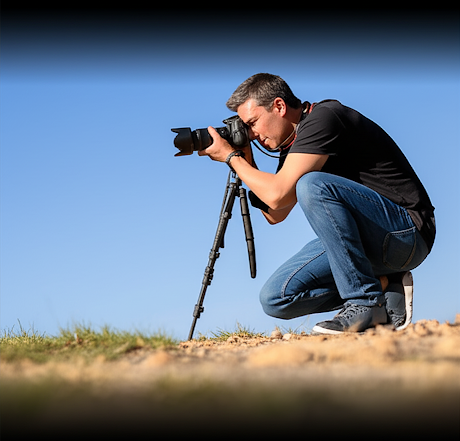
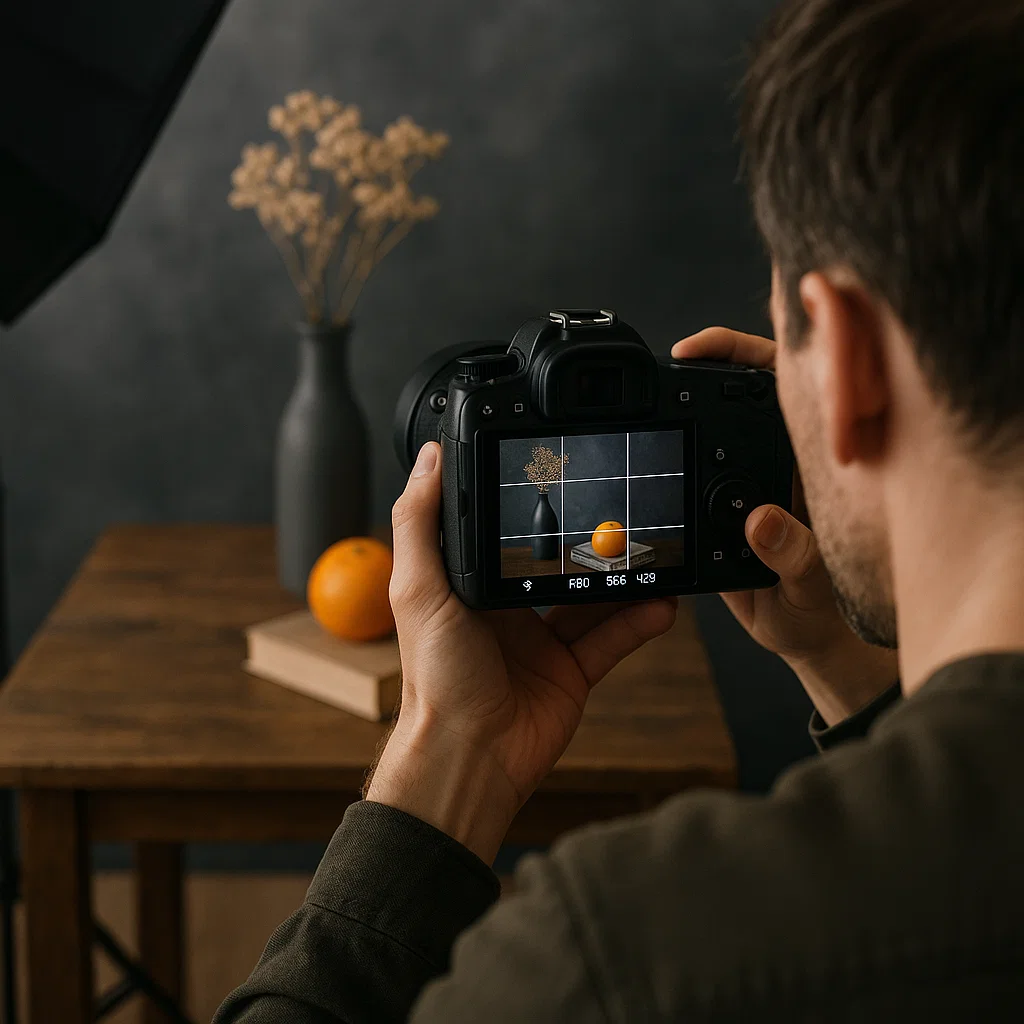
Professional HVAC guidance can make a huge difference, especially for photographers working in enclosed or custom-built studios. With services from BPM, an HVAC company in Frederick, Maryland, it becomes easier to manage indoor temperature, control moisture, and create a comfortable environment for both photographers and their clients. The right system doesn’t just improve comfort, it safeguards delicate equipment from costly damage.

“A photograph captures a moment, but a perfect studio captures the light just right.”

1. Maintain a Steady Temperature

Fluctuating temperatures can harm both electronics and creative output. Cameras and lenses often contain precision parts that react to heat and cold. A stable temperature helps maintain focus accuracy and prevents condensation from forming on glass surfaces. Aim for a consistent indoor temperature between 68°F and 72°F to keep conditions optimal.

2. Manage Humidity Levels

Too much humidity can spell disaster for photography gear. Moisture leads to mold growth on lenses, corrosion of metal parts, and fogging issues that affect shot clarity. Dehumidifiers or built-in HVAC humidity control systems can help maintain an ideal humidity level of around 45 percent, protecting both equipment and artwork.

3. Ensure Proper Airflow

Good airflow is key to consistent lighting and comfort. Poor air circulation can create hot spots or uneven cooling, which can affect how lighting behaves in a studio. Properly placed vents and diffusers help maintain even air distribution, ensuring the light temperature stays constant across the entire space.

4. Choose Energy-Efficient Systems

Energy-efficient HVAC systems are a long-term investment for photographers. They help regulate temperature and humidity while keeping energy bills manageable. Look for ENERGY STAR-rated models that offer programmable thermostats and zoning options to customize temperature settings for different studio areas.

5. Schedule Regular Maintenance

Even the best HVAC systems need regular check-ups. Dust, dirt, and clogged filters can reduce efficiency and impact air quality. Regular maintenance ensures your system performs at its best and prevents unexpected breakdowns during important photoshoots. Many professional photographers schedule biannual maintenance to avoid last-minute disruptions.

6. Pay Attention to Noise Levels

HVAC noise can interfere with recordings or distract during a shoot. Sound-sensitive environments need systems that operate quietly. When choosing an HVAC setup, prioritize models with low decibel ratings or sound-dampening technology. Proper duct insulation can also minimize background hums that microphones might pick up during video sessions.

7. Integrate Smart Controls

Smart thermostats can give you better control over your studio climate. They allow you to adjust settings remotely and maintain ideal conditions even before you arrive. This means less downtime waiting for the room to reach a comfortable level, giving you more time to focus on composition and creativity.

8. Partner with Reliable HVAC Experts

Finding a trusted HVAC partner can make studio management effortless. A professional service provider like BPM understands how small temperature shifts can affect both people and equipment. Their expertise helps design systems that maintain balance between cooling, heating, and air circulation, tailored specifically for creative spaces.

Related: Before setting up your HVAC system, it’s worth exploring key considerations when starting a photo studio to ensure your space supports both creativity and technical needs.

Final Thoughts

Creating the perfect studio environment goes beyond lighting and lens selection. It is about building a space where every technical detail supports artistic excellence. With the right system and support from an HVAC company photographers can protect their investment, improve comfort, and achieve consistency in every shoot. A well-regulated studio climate can truly be the difference between a good photo and a great one.

Photography’s Digital Compass: How Curated Web Directories Guide Creative Discovery

photographer browsing a sleek, modern web directory on a laptop

Photographers often spend more time searching for inspiration than actually shooting. Between editing tools, style guides, and exhibition calendars, the hunt for quality resources can feel endless. That’s where curated web directories come in, streamlining the search and offering a well-organized gateway to the creative world.

One standout platform is Address Jura (주소주라 translates to address collection), a directory that simplifies the way photographers access essential tools and galleries. Whether you’re looking for high-resolution image libraries, online editors, or trending visual styles, this hub brings everything together in one place. It’s like having a personal assistant who knows exactly where to find the good stuff. The name may be unfamiliar to some, but its impact is clear: it’s helping creatives stay focused on what they do best which is creating.

Why Curated Directories Matter

Time is precious when you’re chasing the light. Curated platforms save hours of scrolling by filtering out noise and highlighting only the most relevant resources. These directories are built by people who understand the needs of photographers, from amateurs to professionals. They organize content into categories like:

  • Editing software and mobile apps
  • Stock image libraries and free-use galleries
  • Photography tutorials and masterclasses
  • Exhibition listings and submission portals
  • Gear reviews and buying guides

Instead of relying on random search results, creatives can trust these hubs to deliver quality. It’s a smarter way to stay updated and inspired without getting overwhelmed.

Staying in Tune with Trends

Photography styles shift with culture, technology, and even global events. What was popular last year, muted tones, minimalism, might be replaced by bold colors and surreal edits today. Curated hubs track these changes and showcase what’s trending. They often feature:

  • Monthly style roundups
  • Interviews with emerging photographers
  • Spotlights on viral photo series
  • Tips on adapting your portfolio to current tastes

These updates help photographers evolve without losing their unique voice. It’s not about copying trends, but understanding them and deciding how to respond creatively.

Learning Without Getting Lost

Online tutorials are everywhere, but finding the right one can be tricky. Curated directories often include handpicked learning resources that match different skill levels. Whether you’re just starting out or refining advanced techniques, these hubs guide you to:

  • Step-by-step editing walkthroughs
  • Composition and lighting guides
  • Business tips for freelance photographers
  • Workshops and certification programs

It’s like having a mentor, minus the awkward introductions. You get access to knowledge that’s been vetted and organized, so you can grow without wasting time.

Connecting Through Exhibitions and Events

Photography isn’t just about taking pictures, it’s about sharing them. Curated hubs often include calendars of exhibitions, contests, and open calls. These listings help photographers find places to showcase their work and connect with others in the field. Some directories even offer submission tips and portfolio reviews.

Being part of a creative community can spark new ideas and open doors. Whether it’s a local gallery show or an international competition, these opportunities matter. They turn solitary practice into shared experience.

READ ALSO: AI in Photography – Redefining Creativity

The Future of Discovery

As technology evolves, so do the ways we find inspiration. AI-powered curation, personalized recommendations, and interactive directories are changing the game. Platforms like Address Jura are already leading the way, offering intuitive navigation and fresh content that adapts to user interests.

Photography is a journey, and curated hubs are the maps. They don’t tell you where to go, but they show you what’s possible. For creatives who crave clarity, connection, and growth, these directories are more than tools, they’re companions.

Elevate Your Photography Game as You Order Followers in Instagram

Many individuals and businesses explore various strategies to order followers Instagram. The desire for a larger audience often stems from a wish to amplify their message, increase visibility, or enhance social proof. While the motivations behind wanting to order followers are varied, the pursuit of a more impactful online presence is a common thread. Building a strong and engaged Instagram following organically often takes time and consistent effort.

Understanding the Significance of Visual Appeal

Regardless of the methods employed to grow an Instagram presence, visually appealing content is paramount. In photography, a key factor to come up with creative and engaging visuals all lies in the angle that the subject was taken.

The angle can dramatically alter the viewer’s perception of a subject, adding depth, interest, and a unique perspective to an otherwise ordinary scene. Experimenting with different angles is a fundamental technique for photographers of all levels.

Exploring High-Angle Shots

A good example is by taking high-angle shots. This requires the camera to be positioned above the subject, while looking down. With this point-of-view, it makes the subject look smaller, and more vulnerable, opening up more emotions in the process.

High-angle shots are often used to provide an overview of a scene, showcasing the layout or context. For instance, photographing a crowd from an elevated position can emphasize its size and scale. Similarly, capturing a landscape from a high vantage point can reveal the vastness and beauty of the environment. In portraiture, a slight high angle can sometimes make the subject’s eyes appear larger and create a more flattering composition.

Impact of Low-Angle Perspectives

Conversely, a low-angle shot involves positioning the camera below the subject, looking up. In this angle, it makes the subject look more dominant, and bigger.

These shots are perfect for creating a sense of awe or emphasizing the grandeur and height of the subject. Same reason why this technique is frequently used to shoot tall buildings, statutes, etc.

When photographing objects, a low angle can highlight their shape and form in an interesting way, drawing the viewer’s eye upward.

Neutral Eye-Level Shot

As the name suggests, the camera is positioned as the same height as the subject. This is often considered the most natural and objective perspective, as it mimics how we typically view the world around us. If you want to establish connection, and intimacy to your subject, this is the best shot to take. They are also commonly used in documentary photography and filmmaking to provide a straightforward and unbiased view of events.

While seemingly simple, mastering eye-level composition is crucial for establishing a baseline and understanding how different angles can deviate from this natural perspective to create specific effects.

Utilizing Different Vertical Angles

Shooting vertically versus horizontally can also significantly impact the composition and the message of a photograph. Vertical shots are often well-suited for portrait photography, as they naturally accommodate the human form. They can also emphasize height and vertical lines within a scene, such as trees or skyscrapers. Horizontal shots, on the other hand, are often preferred for landscapes, as they capture a wider field of view and emphasize breadth and horizontal lines.

Understanding when to use a vertical versus a horizontal orientation is an important aspect of photographic composition that can greatly influence the final image.

Using Grid Systems for Perfect Photography Composition like Awning Structural Design

Grid systems represent fundamental tools in photography composition help photographers create balanced, visually appealing images. Professional photographers rely on various grid patterns including the rule of thirds, golden ratio, and symmetrical grids. These elements are used to guide composition decisions that enhance visual impact and viewer engagement. Similar to an awning installation, it requires precise grid measurements and structural calculations. Through this, it guarantees proper support, weather resistance, and visual harmony with existing architecture

Following these installation procedures demonstrate how systematic approaches to design and placement create superior results. Grid-based planning in both photography and architectural elements like awnings ensures that creative vision translates into technically sound and visually pleasing final products.

Rule of Thirds Grid Application

The rule of thirds divides the camera frame into nine equal sections using two horizontal and two vertical lines. Thus, creating intersection points that naturally draw viewer attention and create dynamic composition.

Landscape and Portrait Benefits

Placing important subjects along these grid lines or at intersection points creates more engaging photographs than centering subjects in the frame. This grid system works particularly well for landscape photography where horizons align with horizontal grid lines and prominent features occupy intersection points.

Portrait photography also benefits from rule of thirds placement by positioning eyes along upper grid lines and using vertical lines to guide body positioning that creates natural and comfortable compositions.

Advanced Grid Systems and Creative Applications

Professional photographers utilize more complex grid systems including the golden ratio spiral, diagonal grids, and geometric patterns. As a result, it creates sophisticated compositional structures for artistic and commercial photography.

The golden ratio grid provides mathematically pleasing proportions that create natural visual flow and harmony in photographs. In the same process, it guides viewer attention through planned visual paths. Symmetrical grids work effectively for architectural and product photography where precise alignment and balance create professional results that emphasize geometric relationships and structural elements.

Digital Tools and Grid Implementation

Modern cameras and smartphone photography applications include built-in grid overlays that help photographers visualize compositional guidelines while shooting. Post-processing software provides additional grid tools for cropping and composition refinement allowing photographers to optimize images after capture.

Digital photography workflows increasingly incorporate grid-based analysis tools that evaluate composition strength and suggest improvements based on established compositional principles.

The Influence of AI on Modern Photography

AI Tools Shape the Photography Landscape

Artificial intelligence is making waves in the world of photography. Tools powered by AI are helping photographers enhance images, automate editing, and even create stunning visual effects. These innovations are changing the way photographers approach their craft.

AI-Powered Cameras

The latest cameras incorporate AI to improve focus, lighting, and image clarity. These smart cameras can automatically adjust settings, making it easier for both amateurs and professionals to capture perfect photos. AI also allows for real-time enhancements, turning ordinary shots into works of art.

Ethical Considerations in AI Photography

While AI offers many benefits, it raises ethical questions. Some argue that over-reliance on AI could diminish the authenticity of photos. As technology advances, it’s important to strike a balance between human creativity and artificial intelligence in photography.

AI in Photography – Redefining Creativity

AI-Powered Editing

AI technology is revolutionizing photography by offering advanced editing tools that were once only available to professionals. Apps like Luminar Neo and Adobe Sensei use AI to enhance photo quality, suggesting filters, fixing lighting, and even replacing skies with a single click. This allows photographers to focus on creativity, while the software handles the technical aspects.

AI-Powered Cameras

Smartphone cameras are now equipped with AI that automatically adjusts settings based on the environment, ensuring every shot is optimized for lighting, composition, and detail. This technology is making high-quality photography accessible to amateurs, pushing the boundaries of what can be captured.

Ethical Considerations in AI Photography

While AI brings exciting possibilities, it also raises ethical concerns. Deepfake images and AI-generated content challenge authenticity, leading to debates over what constitutes “real” photography. As AI continues to evolve, striking a balance between creativity and ethics will be key.

Essential Aspects of Carry On Luggage for Photographers

When it comes to traveling with photography gear, finding the right carry-on luggage can make all the difference. With strict airline restrictions and the need for security and convenience, it’s important to choose a bag that meets these requirements. Here are some of the best features to look for in photography-friendly carry-on luggage, specifically suitable for Ryanair carry on luggage.


Durability is key when selecting carry on luggage for photographers. You want a bag that can withstand the rigors of travel, whether you’re navigating crowded airports or exploring remote locations. Look for materials such as ballistic nylon or polycarbonate shells, which are known for their durability and resistance to wear and tear. Reinforced stitching and sturdy zippers are also important features to consider.

Size matters. It’s crucial to opt for a bag that complies with Ryanair’s carry-on luggage dimensions, typically 55cm x 40cm x 20cm. Look for a bag that’s spacious enough to comfortably fit your camera body, lenses, and other accessories, while still adhering to the size restrictions. Many bags on the market now come with customizable dividers, allowing you to arrange your gear in a way that suits your needs.

Security is another crucial aspect to keep in mind. As a photographer, your gear is valuable not only in terms of money but also because of the memories you’ve captured. Look for carry on luggage that offers ample padding and compartments specifically designed to protect your camera, lenses, and accessories. Additionally, opt for bags that have lockable zippers or built-in TSA-approved locks for added security.

Furthermore, consider the bag’s level of protection. Photography equipment is often fragile and expensive, so it’s essential to choose a bag that offers excellent padding and shock absorption. Look for bags with specialized compartments and cushioned interiors that will keep your gear safe from impact and reduce the risk of damage during transit.

Additionally, convenience and accessibility are key factors to consider. Look for bags that have easy access compartments or pockets, allowing you to quickly retrieve your camera without having to unpack everything. Some bags even come with designated laptop compartments, making it easier to carry your gear and your laptop in one bag. Finally, consider a bag with sturdy wheels and a telescoping handle for effortless maneuvering through airports and other travel situations.

Finding photography-friendly carry-on luggage that meets Ryanair’s carry-on baggage restrictions can be a challenge. Note that Kono Ireland is perfect as a carry on. See that this is suitable for Ryanair carry on luggage so you don’t have to keep paying those extra fees. Also, by considering the size, protection, convenience, and accessibility features of a bag, you can find the ideal option.

Keep your photography gear safe, secure, and easily accessible on your next trip with the perfect carry-on luggage.

Capturing the Game: The Power of Photography in Sports News and Live Coverage

sports and photography

Sports photography has always been a key element in capturing the intensity and excitement of live events. Whether it’s the triumphant moment of a goal or the disappointment on a player’s face after a missed shot, photography brings the emotion of sports to life. In today’s world of instant news and online updates, sports photography plays a crucial role in both print and digital formats. It connects the audience to the action, making them feel like they are in the middle of the game.

Meritking newspapers in Turkey (Meritking Gazete) is a great example of how photography complements written sports coverage. Known for its detailed reports on major sports events, the paper uses powerful images to bring more depth to its stories. From football matches to basketball games, the publication ensures that its readers can read about the action and see it unfold. Combining words and images strengthens the connection between fans and their favorite sports.

The Impact of Photography on Sports News

Photography is not just about capturing moments but also about telling a story. A well-timed photo of a player in mid-air can highlight the intensity of a game more effectively than words alone. This visual storytelling is what makes sports photography so essential for newspapers, live score updates, and online match features.

How Photography Enhances Sports Coverage:

  • Emotion: Photos show the emotions of players and fans. These feelings are instantly captured instantly, whether it’s joy, frustration, or concentration.
  • Clarity: A photo can summarize the key moments for readers who may not have time to read every word.
  • Action: Images can capture the fast-paced nature of sports, showing the speed and agility of players.

Photography in Sports Print Features

Despite the rise of digital platforms, print media still holds significant value. Newspapers like Meritking have successfully combined strong sports coverage with high-quality photography to keep their readers engaged. Large, vibrant images printed on paper create a lasting impression, making the stories come alive. This type of print feature is particularly useful for sports fans who enjoy collecting newspapers or keeping clippings of memorable events.

Sports newspapers often dedicate entire sections to photo spreads, showcasing iconic moments. These images serve as historical records of major events in the sports world. For example, a winning goal captured in a final match or a record-breaking performance can stay with readers long after the game ends.

Live Score Updates and the Role of Photography

In addition to traditional print features, photography has found its place in live score updates. Websites and apps that provide real-time sports news increasingly rely on photos to make their content more dynamic. Live score websites often accompany match updates with images taken during the event. These photos help enhance the experience by offering fans visual cues to go with the numbers and statistics.

  • Real-time Visuals: As scores change, new images from the game can be uploaded in real time, offering users a comprehensive view of what’s happening.
  • Highlight Moments: Live score updates accompanied by key moments, like a player’s celebration or a crucial save, can give readers a more complete picture of the match.

Photography in Online Sports Match Features

Online platforms provide a unique space for photographers to share their work instantly. Unlike newspapers, which require time for printing, websites can publish photographs almost immediately after they’re taken. This gives sports fans a chance to experience the excitement of a live match, even if they can’t watch it in real-time.

Online articles often use high-quality images to recap the match or provide highlights. Photos capture the game’s essence and attract more readers to these articles, keeping them engaged longer. Websites covering sports events rely on photography to create immersive user experiences. This has made it easier for fans worldwide to follow sports, no matter where they are.

Why Online Sports Coverage Benefits from Photography:

  • Engagement: Articles with photos receive more engagement from readers, including higher click-through rates and time spent on the page.
  • Social Media Sharing: Sports photos are highly shareable, driving more traffic to live updates or match recaps through platforms like Twitter and Instagram.

READ ALSO: Photography For Media And Its Historical Development

Conclusion

Photography continues to be a vital part of sports journalism. Whether in print newspapers like Meritking, live score updates, or online match features, it adds depth and dimension to sports coverage. Through compelling images, photography allows fans to stay informed and feel connected to the action, whether they are reading a printed newspaper or checking scores online. As sports coverage evolves, the role of photography will remain crucial in bringing these stories to life for fans worldwide.

Capturing Health and Fitness Through the Lens: Tips for Fitness Photography


fitness and photography

Fitness photography is all about capturing the essence of movement and strength. Whether you’re photographing a professional athlete or someone on their fitness journey, it’s essential to tell a compelling story. Good fitness photos inspire and motivate viewers.

Lighting is Key

Natural light is your best friend. Early morning or late afternoon light provides a soft, flattering glow that highlights muscle definition and adds depth to your photos. If you’re shooting indoors, use diffused light to avoid harsh shadows.

Focus on the Details

Close-up shots of muscles, sweat, and expressions can add intensity to your photos. These details capture the hard work and dedication behind every workout. Remember, fitness is about the big movements and the small, powerful moments.

Use Dynamic Angles

Experiment with different angles to showcase the subject’s strength and form. Low angles can make the subject appear more powerful, while high angles can provide a unique perspective. Keep the camera steady to ensure crisp, clear shots.

Fitness photography is more than just taking pictures; it’s about telling a story. By focusing on lighting, details, and angles, you can capture the true essence of fitness and inspire others.

Smartphone Photography: Redefining Visual Storytelling


smartphone technology

Smartphone photography is revolutionizing the way we capture and share moments, making high-quality photography accessible to everyone. With advanced camera technology and editing apps, smartphones are now capable of producing professional-grade images. This trend is democratizing photography, allowing amateur photographers to showcase their work on social media platforms and gain recognition. Additionally, the rise of mobile photography has sparked new creative trends, such as drone photography and augmented reality (AR) filters. As smartphone technology continues to evolve, the boundaries of visual storytelling are being pushed, offering endless possibilities for creativity.

Bridging Cultures Through the Lens: The Indispensable Role of Translation Services in Your Photography Business

photography

In today’s interconnected world, the art of photography knows no boundaries. As a photographer, your work has the power to transcend language barriers and connect with people from diverse cultural backgrounds. However, to fully unlock the potential of your photography business and reach a global audience, you must consider the indispensable role of translation services. These services enable you to communicate effectively with clients and partners worldwide and facilitate the appreciation and understanding of your visual art across different cultures.

Reaching a Global Audience

Incorporating translation services into your photography business opens up a world of opportunities. With your visual storytelling skills, you can now share your artistic vision with individuals who speak various languages. By offering your portfolio, website content, and marketing materials in multiple languages, you make your work more accessible to potential clients from different countries and cultural backgrounds. This expands your reach and increases the chances of collaboration and international exposure.

Effective Communication with Clients

In the photography industry, clear and concise communication with clients is essential. When language barriers exist, misunderstandings can arise, leading to missed opportunities or unsatisfactory outcomes. Professional translation services bridge this gap, ensuring you can easily communicate with clients regardless of their native language. Be it discussing project details, negotiating contracts, or providing updates, accurate translation services instill confidence and professionalism in your interactions.

Capturing Authentic Cultural Narratives

Photography is a powerful tool for capturing cultural diversity and preserving the essence of a place or a community. However, to accurately represent the stories behind your photographs, you need to understand and respect the nuances of different cultures. Translation services aid in comprehending cultural contexts, enabling you to create more authentic narratives that resonate with local audiences. Collaborating with local translators can provide valuable insights, leading to more meaningful and impactful photography projects.

Showcasing Global Perspectives

Your portfolio becomes a collection of diverse perspectives as you engage in photography projects across various countries and cultures. By providing translations for your photographic works, you demonstrate your commitment to inclusivity and promote cross-cultural understanding among your audience. This fosters an appreciation for the richness of different traditions and encourages dialogue between people from all walks of life.

Enhancing Brand Reputation

In the competitive photography industry, a positive reputation is paramount. Embracing translation services demonstrates your commitment to professionalism, accessibility, and cultural sensitivity. As word spreads about your willingness to accommodate clients from different linguistic backgrounds, your brand gains a reputation for being globally conscious and customer-centric. This, in turn, can attract a more extensive and diverse clientele.

Read also: What is Videography and Why Are Photographers Now Exploring it?

Conclusion

In the ever-evolving world of photography, embracing translation services is no longer a choice but a necessity for success. As you seek to bridge cultures through your lens, these services enable you to communicate effectively with clients, capture authentic narratives, and showcase the beauty of global perspectives. Integrating translations into your photography business demonstrates your dedication to breaking language barriers and fostering cross-cultural connections—an invaluable asset in today’s interconnected world.

Capturing Luxury: Exploring Photography and Tata’s Costliest Car

Back of the Tata Nexon


Photography is a powerful medium that allows us to capture and preserve moments in time. From breathtaking landscapes to candid portraits, photography is an art form that continues to captivate us. In this article, we delve into the world of photography and its unique connection to the Tata costly car.

Discover how photography showcases the elegance and allure of this remarkable vehicle and how it contributes to its desirability among automotive enthusiasts and luxury car aficionados.

The Art of Automotive Photography

Automotive photography is a specialized genre that focuses on capturing the beauty, design, and essence of cars. It requires technical skill, artistic vision, and an understanding of the unique features that make each vehicle stand out.

When it comes to Tata’s costliest car, photographers have the opportunity to highlight its luxurious design, sophisticated details, and powerful presence through their lens. Whether it’s showcasing the sleek lines, exquisite craftsmanship, or innovative features, photography brings out the car’s true essence.

Conveying Status and Prestige

Tata’s costliest car represents the epitome of luxury, elegance, and prestige. Through photography, this essence is not only captured but also conveyed to the viewer. The careful selection of lighting, angles, and settings can emphasize the car’s opulence, making it alluring to potential buyers and enthusiasts alike.

Stunning photographs showcase the car as a symbol of status, success, and refined taste, further enhancing its desirability in the automotive market.


ALSO READ: How MovieBox Pro Can Help You Learn and Master Photography


Showcasing Design and Engineering Excellence

Photography enables us to appreciate the intricate design elements and meticulous engineering that go into creating Tata’s costliest car. Through detailed close-ups and dynamic shots, photographers can highlight the car’s craftsmanship, showcasing its fine materials, cutting-edge technology, and innovative features.

These visual representations not only capture the attention of viewers but also offer a glimpse into the exceptional quality and attention to detail that define the vehicle.

Inspiring Aspirations and Dreams

Photography has the power to evoke emotions and ignite aspirations. When it comes to Tata’s costliest car, captivating photographs can inspire individuals to dream of owning such a luxurious and prestigious vehicle. The carefully crafted images create a sense of desire and aspiration, allowing enthusiasts to envision themselves behind the wheel, experiencing the thrill and elegance that the car embodies.

Photography acts as a catalyst for turning dreams into reality.

Conclusion

Photography plays a vital role in showcasing the beauty, elegance, and allure of Tata’s costliest car. It captures the essence of the vehicle, conveying its luxurious design, status, and exceptional engineering to potential buyers and enthusiasts.

Through carefully composed images, photography ignites aspirations and inspires individuals to aspire to own this remarkable piece of automotive excellence. So, the next time you come across a photograph of Tata’s costliest car, take a moment to appreciate the artistry behind the lens and the role it plays in showcasing the epitome of luxury on four wheels.

Capturing the Beauty of Germany’s High-Speed Rail

Germany’s high-speed rail network is one of the most efficient and modern in the world, connecting major cities such as Berlin and Munich in a matter of hours. For photographers, this means the opportunity to capture stunning landscapes, unique architecture, and exciting people along the way. In this guide, we’ll explore how to make the most of your high-speed rail journey through Germany, with tips and recommendations for capturing the beauty of this transportation mode. 
Germany’s high-speed rail network, operated by Deutsche Bahn, covers more than 1,300 miles and reaches speeds of up to 186 miles per hour. The network connects major cities such as Berlin, Hamburg, Frankfurt, and Munich, offering a comfortable and convenient way to travel between them.

Choosing the Right Train and Route

To make the most out of your high-speed rail photography experience, it’s essential to choose the appropriate train and route. Things like time of day, weather conditions and the appeal of the landscape along the path should all be taken into account when making your decision. For example, the ICE trains between Berlin and Munich offer stunning countryside views, while the routes through Frankfurt and Cologne offer urban landscapes and impressive architecture.

Photography Tips for High-Speed Rail Travel

When photographing from a moving train, it’s important to stabilize your camera or use a fast shutter speed to avoid motion blur. Consider shooting in manual mode to adjust your settings for the changing light conditions along the route. Use a wide-angle lens to capture the expansive landscapes and architecture, and look for interesting foreground elements to add depth to your images.

Recommended Photography Spots Along the Route

Some of the most scenic and interesting photography spots along the high-speed rail route from Berlin to Munich include the Elbe River Valley, the Thuringian Forest, and the historic city of Nuremberg. Each location offers unique opportunities for capturing the beauty of Germany’s high-speed rail network.

Germany’s high-speed rail network offers photographers a unique perspective on the country’s landscapes, architecture, and people. By choosing the right train and route, using photography techniques suited to moving subjects, and exploring recommended photography spots, you can capture stunning images that showcase the beauty of this modern transportation mode.

How MovieBox Pro Can Help You Learn and Master Photography

Photography


Photography is a popular hobby that has gained widespread popularity in recent years. With the rise of smartphone cameras and affordable DSLRs, anyone can take up photography and capture stunning images. However, learning the technical aspects of photography can be overwhelming, especially for beginners. Fortunately, MovieBox Pro can be a valuable tool for learning and mastering photography.

One of the ways that MovieBox Pro can help with photography is by providing access to tutorials and instructional videos. The app has a vast library of content that includes instructional videos on photography techniques, equipment reviews, and more. By watching these videos, users can learn new techniques, understand the different camera settings, and gain insights into the creative aspects of photography.

Another way that MovieBox Pro can help with photography is by providing access to documentaries and films related to photography. These films can offer valuable insights into the history and evolution of photography, as well as provide inspiration for new creative ideas. Documentaries such as “The Salt of the Earth” and “Finding Vivian Maier” showcase the works of legendary photographers and their creative processes, providing inspiration for photographers of all levels.

In addition to instructional videos and documentaries, MovieBox Pro also has a vast collection of movies and TV shows that can inspire photographers. Films such as “Blade Runner 2049” and “Inception” showcase stunning cinematography and visual effects that can inspire photographers to experiment with new techniques and styles. TV shows such as “Breaking Bad” and “Stranger Things” also offer visually striking scenes that can inspire photographers.


ALSO READ: Using Digital Frames for Photographs


Moreover, MovieBox Pro can help photographers stay up to date with the latest trends and techniques in the industry. By accessing new films and TV shows, photographers can observe the latest techniques and styles that are being used in the industry. This can help them develop their skills and stay competitive in the market.

Conclusion

MovieBox Pro is a valuable tool for photographers of all levels. With its vast library of content, including instructional videos, documentaries, films, and TV shows, the app offers valuable insights into the technical and creative aspects of photography. By using the app, photographers can learn new techniques, gain inspiration, and stay up to date with the latest trends in the industry. Whether you are a beginner or a professional photographer, MovieBox Pro can help you take your skills to the next level.

Tips When Taking Photos for a Magazine

There’s simply nothing quite like seeing your name and pictures published for the first time in a magazine or even manga. Do you feel ready to take the plunge and start working as a magazine photographer?

Here are some suggestions to get you there.

1. Become a magazine photographer: Choose a niche to make yourself more distinctive
Some people have a tendency to believe that portfolios containing a variety of photos are popular with magazines. It is just untrue.
Editors value uniformity. Keep your attention on what you do well and stick to it.
If you enjoy shooting landscapes or cuisine, don’t be concerned about not getting jobs. Although there are many freelance and professional photographers, it is preferable to be the greatest in your industry as opposed to being average in a certain specialty.

3. What Tools Should You Purchase?
Professional equipment is not necessary when you are just getting started. It doesn’t imply you can just use your phone or a small camera and get away with it either.
DSLRs or mirrorless cameras are your best options. They enable Manual Mode and lens switching. Purchasing the entry-level model is OK.
Although it may be inexpensive, it offers everything you want to generate work that is worthy of publication in a magazine.

4. Portfolio Development

The following stage is to build a respectable portfolio. Even if you haven’t conducted any actual photo sessions yet, it doesn’t matter. You must nevertheless maintain a professional appearance throughout.
Choose a few pictures that you think are the finest. Even if you can’t explain why a certain image appears odd, don’t use it if you have any doubts about it.
For your initial portfolio, try to include at least 10 pictures. That’s about the ideal number of images to allow editors to decide whether you would be a good match for the publication.

5. Utilize Instagram to broaden your audience potential
Think about social media as a portfolio addition. Everyone who tries to search you up online will eventually come across your Instagram.
You may as well make sure that the photographs you upload on your feed are topnotch as well.
Instagram is a frequent place where photographers are found. Thus, you have to advertise your own work on the site.

What is Videography and Why Are Photographers Now Exploring it?

Photographers have long been admired for their ability to capture stunning images of the world around them. Now, more and more photographers are exploring the field of videography as a way to expand their business and take on new challenges. Videography is the art of creating moving images, or videos, that tell a story. It requires knowledge of camera angles, lighting, sound design, editing software (like Premiere pro effects), and storytelling techniques to create compelling visuals that capture an audience’s attention. With its growing popularity in the digital age, it is no wonder why so many photographers are now exploring videography as a career option. In this article, we will discuss what videography is and why it is becoming increasingly popular among photographers today.

What is Videography?

Videography is the process of creating moving images using a camera or multiple cameras simultaneously that can be played back at a later time. Today, many videographers are using digital video cameras and professional-grade hardware to capture footage and create high-quality movies. Traditional videographers use professional-grade equipment such as Steadicam, dollies, jibs, cables, and specialized lenses to film their scenes.

Importance of Videography for Photographers

Videography is becoming an increasingly popular option for photographers who are in the need of creating high-quality, professional footage. In today’s day and age, videography can be a great way to increase the effectiveness of your marketing efforts. For example, if you are a wedding photographer and want to film your sessions then it would be beneficial to use videography because it would allow you not only to showcase your talents but also make more money on each session since videos often cost less than photography services. Depending on how much you typically charge per hour, this could mean better profits for you while also giving customers more bang for the buck.

Read also: Using Digital Frames for Photographs

What Makes a Video Strong?

If you want to make the most of your videography, you must know what makes a good video. A strong video has undeniable emotions and meaning. It conveys emotions from the subject that isn’t obvious just by looking at them and it leaves viewers feeling fulfilled no matter how long they watch it. A strong video is often one that is well-paced, has tight shots with minimal movement, consistent lighting, and camera angles that feel natural instead of forced or staged. A strong video will also have a clear beginning, middle, and end. , and it should be well-rounded with a variety of different shots, sounds, and emotions.

A Well-Paced Video

A good video is always moving forward at a consistent pace. The viewer shouldn’t feel like they get lost or bored during any part of the video. If you start out talking about something that interests the viewer more than what you are currently doing in the video, you should always end up back where you started so that it feels like everything happens in order. In other words, your viewers shouldn’t have to look at your face every five seconds to know what’ s going on.

If you are trying to make a point, it must be clear and concise. A good way to think about this is that your video should contain as few words as possible. Think of your video like a conversation where the listener jumps in and out of what you are saying depending on what you are talking about. If your viewer has to pause every few minutes because he or she doesn’t understand something, then the idea is probably not clearly communicated in the first place (or worse, they may just get frustrated and give up), so maybe it’s time for a new topic!

Tents For SUV: Tips For Beautiful Photos

Shots are particularly interesting at night. Unfortunately, all cats are gray at night because colors cannot be perceived without light. Nonetheless, you don’t have to do without good night shots, provided you use the right camera settings.

Tricks for beautiful photos for tents for SUV

Use the right light

Even if it’s dark at night, it’s never completely dark. Therefore, when taking a picture, pay attention to the light sources that are available to you. Moonlight, for example, is much harder than sunlight. However, you should

tents for SUV

avoid bright light sources nearby due to possible reflections in the lens.

The right time

The most beautiful nocturnal mood is captured with the camera during the supposed “blue hour” when the last or first sunlight drops very flat on the earth. In complete darkness, on the other hand, the stars and the moon can be staged.

The best night subject

You can capture moods much better in the dark than during the day, but details are often not visible. Here the perspective is more important than the subject. Therefore, pay attention to lighting effects that you can incorporate, such as fairy lights or lanterns. In addition, the stars and the moon or fireworks are always interesting motifs for tents for SUV.

Choose the right ISO value

Actually, when taking a picture at night, you can hardly consider the ISO value, the aperture, and the shutter speed separately from each other. They must be combined well with each other to achieve a perfect result. You should therefore switch off the night automatic programs of the cameras and set everything up yourself.

The ISO value is an important factor here because it sets the light sensitivity of the image sensor. The higher the ISO value and the more light-sensitive the sensor, the more image noise there is.

Use self-timer and mirror lock-up

In addition to the change in subject, the shaking of the camera itself is also a major problem with slow shutter speeds. It is therefore best to use the self-timer or remote control. This way you don’t touch the camera when you start recording and you can’t blur the recording. Many SLR cameras also offer the so-called mirror lock-up option, which flips the mirror up before the picture is taken.

No flash

The flash built into the camera also invites you to use it at night. The flash only illuminates the immediate surroundings. However, night shots are characterized by the fact that you capture distant subjects that the flash cannot reach. In addition, the camera uses automatic programs due to the set flash, which means that the pictures are too dark in the end. So better skip the flash.